


Hey there! As a supplier of linear rail clamps, I often get asked about the clearance between the linear rail clamp and the rail. It's a crucial topic that can have a significant impact on the performance and functionality of linear motion systems. So, let's dive right in and explore what this clearance is all about.
First off, what exactly is the clearance between a linear rail clamp and the rail? Well, it's the small gap or space that exists between the clamping mechanism of the linear rail clamp and the surface of the rail. This clearance is designed to allow for smooth movement of the rail while still providing the necessary clamping force when needed.

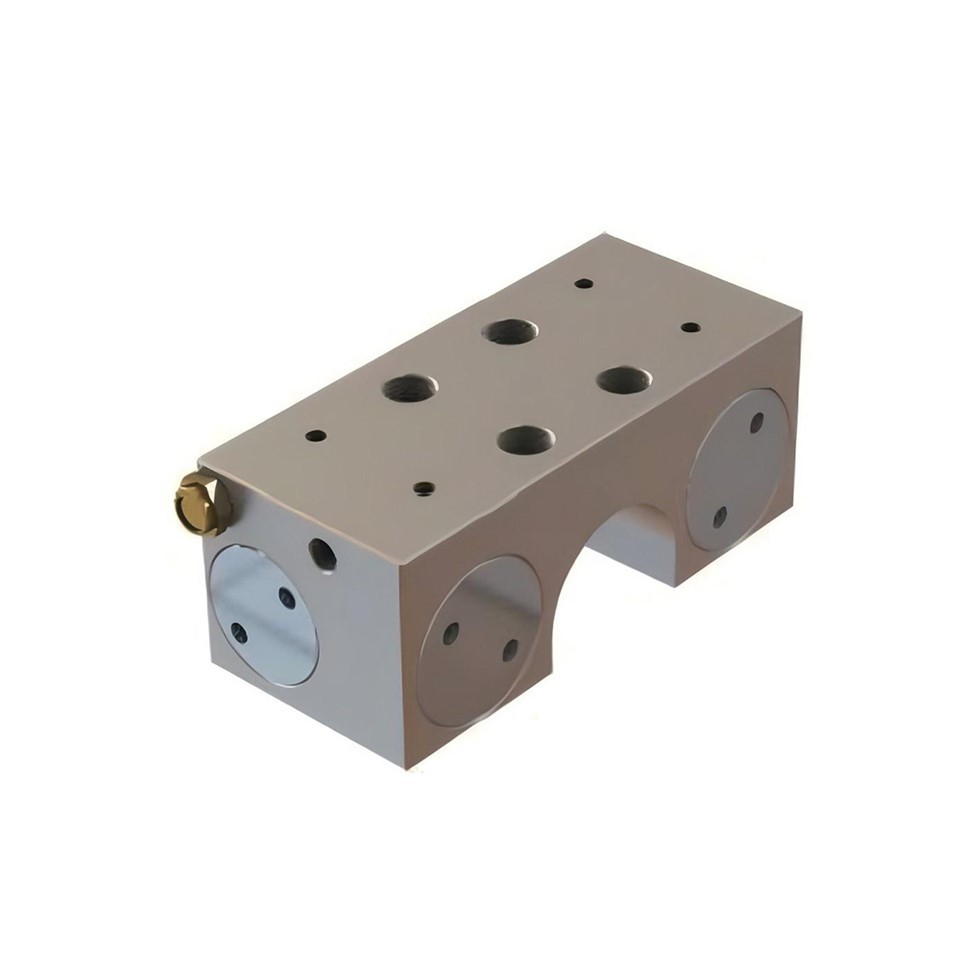
The clearance is important for several reasons. For starters, it helps to prevent excessive wear and tear on both the clamp and the rail. If there's no clearance or if the clearance is too small, the clamp could rub against the rail constantly, causing damage over time. On the other hand, if the clearance is too large, the clamp may not be able to hold the rail securely, leading to instability and inaccurate positioning.
Another reason why the clearance matters is that it affects the clamping force. The right amount of clearance ensures that the clamp can apply the appropriate amount of force to hold the rail in place. If the clearance is off, the clamping force may be too weak or too strong, which can both cause problems. A weak clamping force may result in the rail slipping, while an overly strong force could deform the rail or damage the clamp itself.
Now, how do we determine the ideal clearance? Well, it depends on a few factors. One of the main factors is the type of linear rail clamp. Different types of clamps, such as the Ball Type Linear Rail Clamp, have different design requirements and optimal clearances. The ball type linear rail clamp, for example, uses ball bearings to provide smooth movement and precise clamping. The clearance for this type of clamp needs to be carefully calibrated to ensure that the balls can roll freely while still maintaining a secure grip on the rail.
The material of the rail and the clamp also plays a role in determining the clearance. Some materials are more prone to expansion and contraction due to temperature changes, so the clearance needs to be adjusted accordingly. For instance, if the rail is made of a metal that expands significantly with heat, a slightly larger clearance may be needed to prevent binding when the temperature rises.
The operating environment is another important consideration. In a clean and dry environment, the clearance requirements may be different compared to a dirty or humid environment. In a dirty environment, a slightly larger clearance may be necessary to prevent debris from getting trapped between the clamp and the rail, which could affect the clamping performance.
When it comes to measuring the clearance, there are a few methods that can be used. One common method is to use a feeler gauge. A feeler gauge is a thin strip of metal with different thicknesses. By inserting the feeler gauge between the clamp and the rail, you can measure the gap and determine if it's within the acceptable range. Another method is to use a micrometer or a caliper for more precise measurements.
As a supplier, we understand the importance of getting the clearance right. That's why we offer a wide range of linear rail clamps, including the Optical Scale Reader and the Ball Screw Linear Clamp, and provide detailed technical support to help our customers select the right product and ensure proper installation.
Our team of experts can assist you in determining the ideal clearance based on your specific application requirements. We can also offer advice on how to maintain the clearance over time to ensure the long - term performance of your linear motion system.
If you're in the market for a linear rail clamp, don't hesitate to reach out to us. Whether you're working on a small DIY project or a large industrial application, we have the products and expertise to meet your needs. We're committed to providing high - quality products and excellent customer service.
In conclusion, the clearance between the linear rail clamp and the rail is a critical aspect of linear motion systems. It affects the performance, durability, and accuracy of the system. By understanding the factors that influence the clearance and working with a reliable supplier, you can ensure that your linear rail clamp operates smoothly and effectively.
So, if you have any questions or need more information about our linear rail clamps, or if you're ready to place an order, just get in touch. We're here to help you make the best choice for your project.
References
- Linear Motion Handbook: A comprehensive guide on linear motion systems and components.
- Manufacturer's technical documentation for linear rail clamps.


