


Your Professional Robotic Gripper Supplier
Changzhou Heli Automation Technology Co., Ltd., established in 2022, specializes in industrial robot automation components, providing one-stop supply of automation parts. The company precisely targets market demands, implements strict quality control, and continuously optimizes its supply chain and R&D capabilities to deliver reliable automation component solutions through professionalism and innovation.


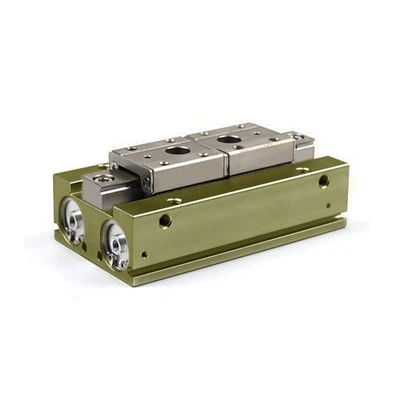
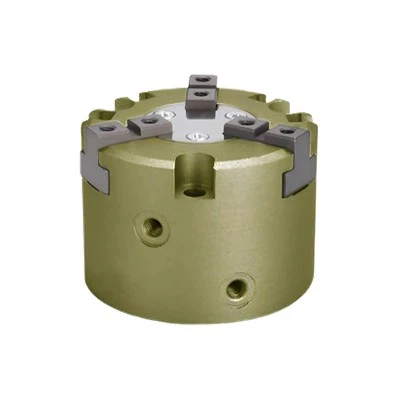


Product Categories
Latest Products


Why choose us
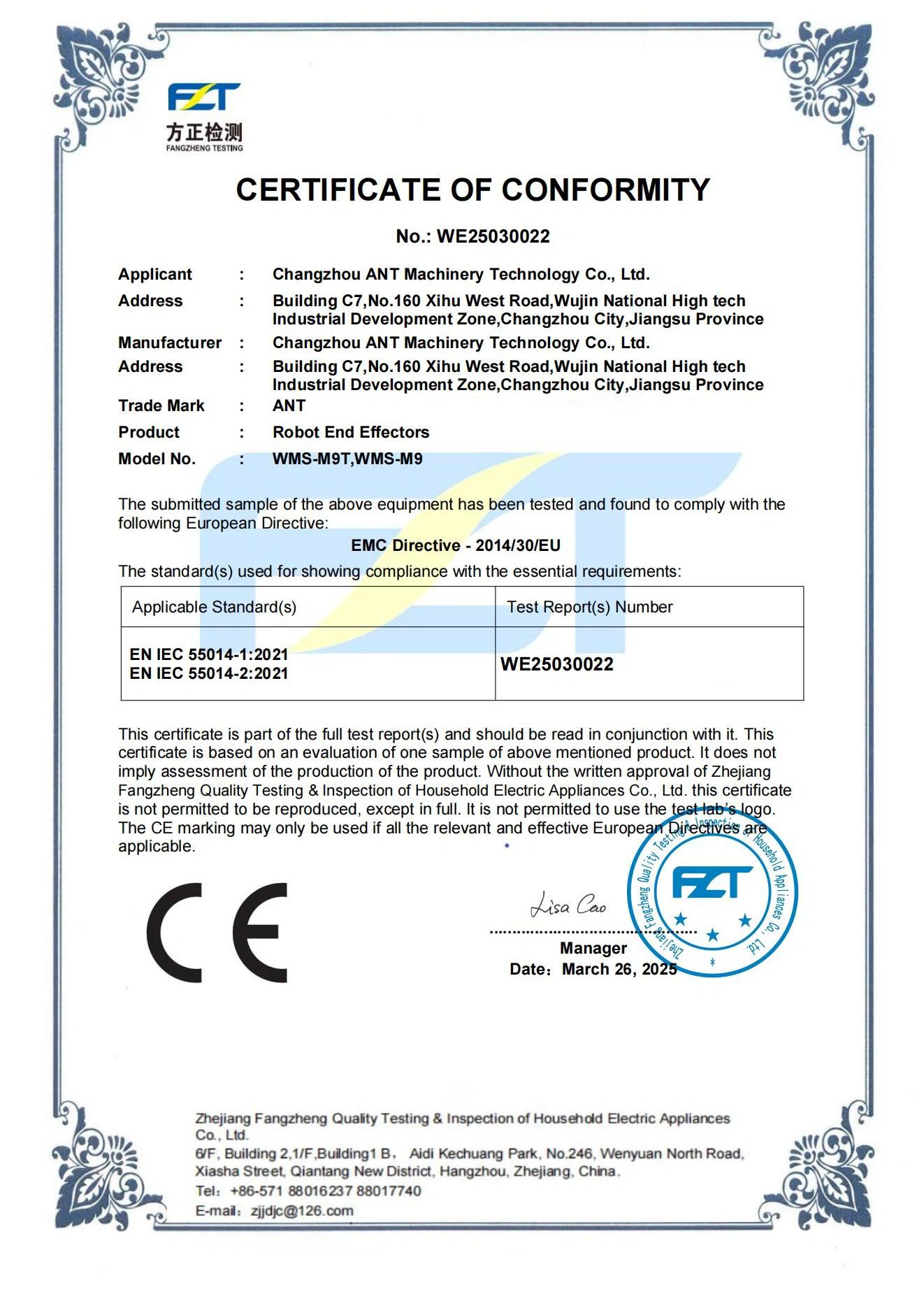
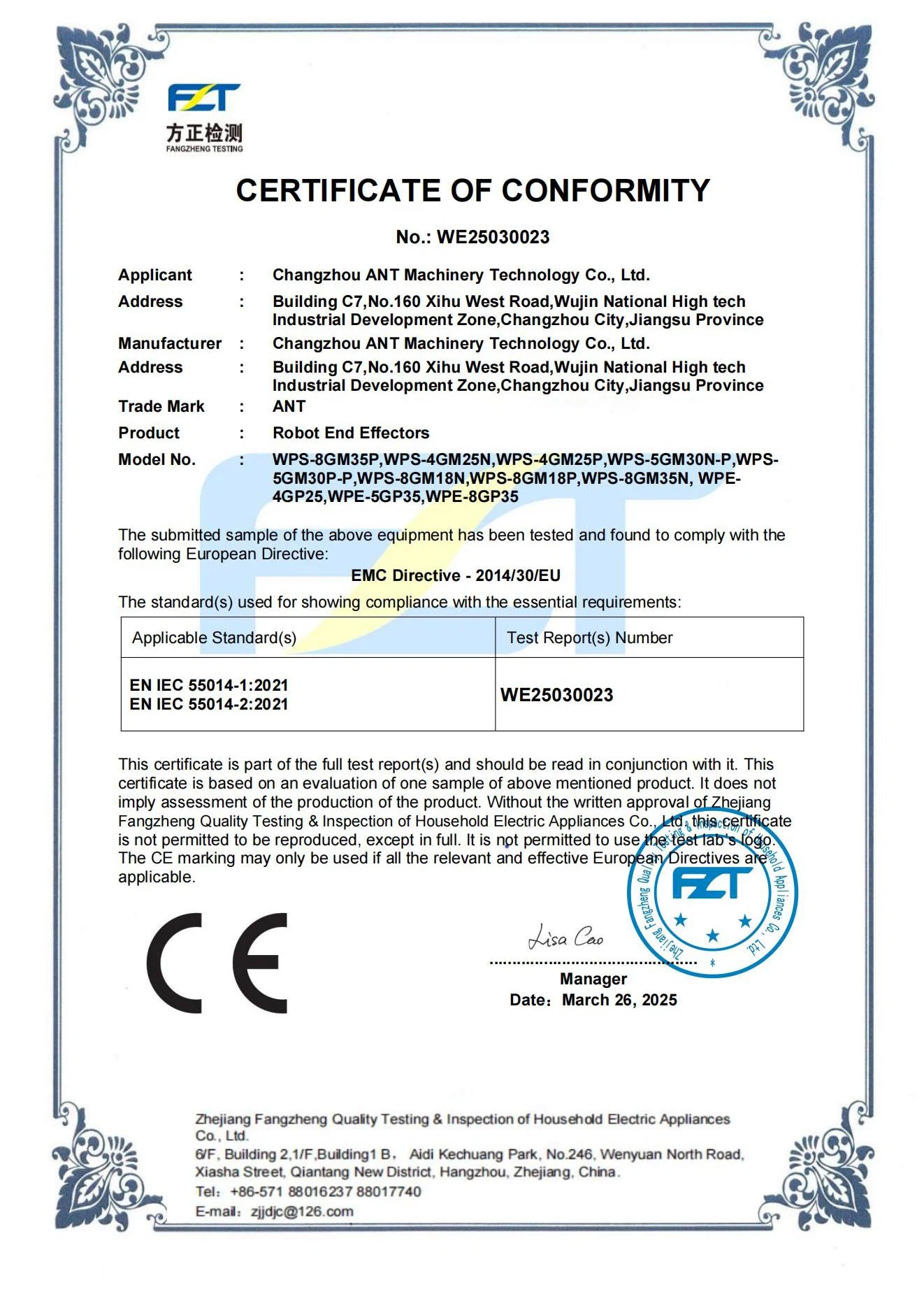
Our Certificate
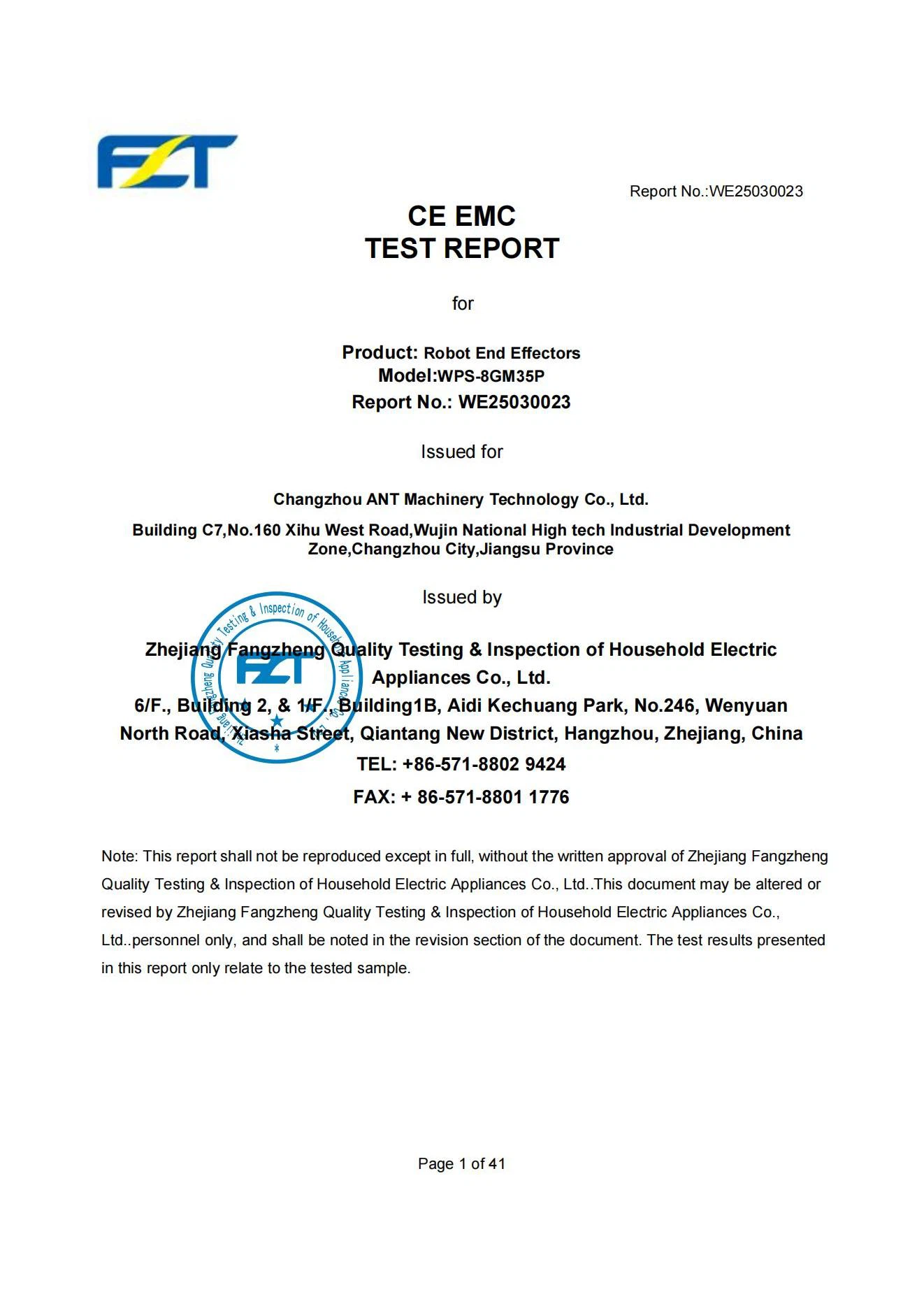
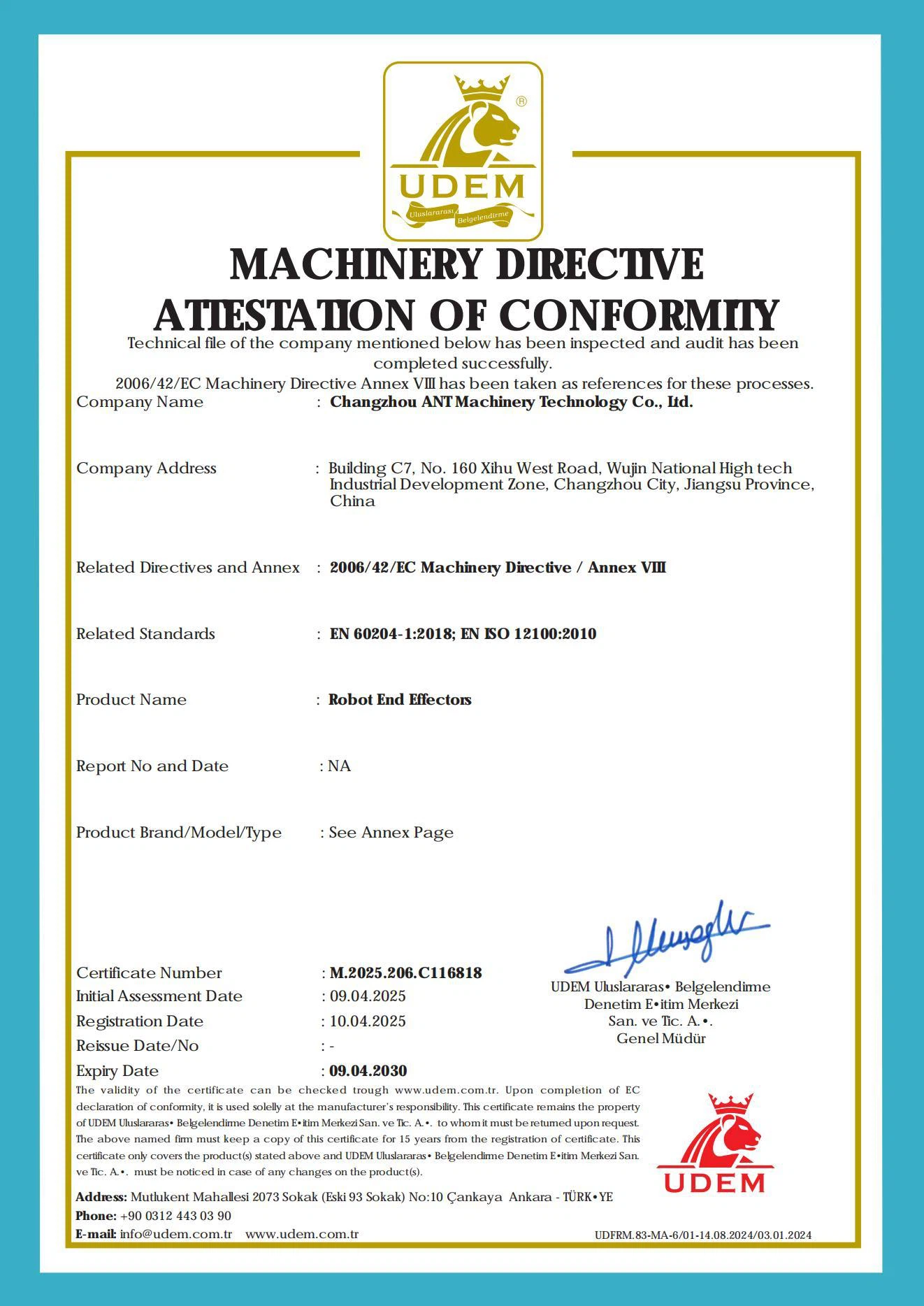
(1) Certificate of Conformity (2) CE EMC Test Report (3) Machinery Directive Attestation of Conformity
Excellent Quality
We enforce rigorous inspection standards at every stage of our process, as we believe quality is paramount.
Reasonable Price
We have a professional purchasing team and costing team, trying to reduce costs and profits, and provide you with a good price.
Perfect Service
With rich experience and one-to-one service, we can help you choose products and answer technical questions.which serves as a significant value-added benefit for our customers.
Two Finger Gripper
Two Finger Gripper, Two Finger parallel mechanical gripper adopts integrated design, with accurate force control and position control functions, large stroke, power failure self-locking, and is suitable for mainstream cooperative robots.Automation through manipulator is the trend of the times. It can not only improve work efficiency, speed up production process, but also create higher value As a one-stop supplier in the field of automation components, TM provides the market with various models of only electric grippers, which can realize manual quick change, complete quick change in minutes and seconds, reduce your cost and reduce the downtime caused by tool change.
|
Parameter |
Performance |
|
Per-Jaw Stroke |
2-8mm (16mm total opening) |
|
Closing Force |
42-1004N |
|
Opening Force |
46-1146N |
|
Max Frequency |
120Hz (0.025s cycle) |
|
Weight |
0.06-0.96kg |
|
Temp Range |
-10°C to 60°C |
|
Pressure Range |
1-6 bar / 2-6 bar |
Advantages of 2-finger Parallel Gripper
Precision in Gripping
The 2-finger parallel gripper is designed to handle objects with high precision, thanks to its parallel finger movement. This feature ensures that the gripping action is stable and controlled, minimizing slippage and improving the accuracy of the task being performed. The gripper’s ability to adapt to various sizes and shapes makes it ideal for delicate and complex operations.
Versatility Across Industries
Whether in automotive assembly, electronics, packaging, or material handling, this type of gripper has wide applications. It can handle fragile components, such as electronic chips, or heavier materials like metal parts. Its ability to function in diverse environments ensures that it fits seamlessly into various industrial applications.
Compact and Lightweight Design
One of the main reasons for the growing use of 2-finger parallel grippers in industrial robots is their compact design. Their lightweight nature allows them to be integrated into robotic arms without adding unnecessary bulk, making them perfect for tight spaces and fast operations.
Reduced Downtime and Increased Productivity
By automating the gripping process, the 2-finger gripper reduces the chances of human error, thus decreasing downtime. This leads to a more efficient workflow, higher output, and ultimately, increased productivity in manufacturing facilities.
Energy Efficiency
Many modern 2-finger parallel grippers are pneumatic, meaning they use compressed air to operate. This method is highly energy-efficient, reducing operational costs while maintaining powerful and reliable performance.
Type of Two Finger Gripper
Pneumatic two-finger grippers
Powered by compressed air, the two fingers are driven by a cylinder. They offer fast response times (milliseconds) and low cost, but their gripping force is affected by air pressure fluctuations, resulting in lower precision.
Electric two-finger grippers
Driven by a servo or stepper motor, their motion is converted via gears, a lead screw, or a connecting rod. They offer high control accuracy (±0.01mm repeatability) and programmability, but are more expensive.
Hydraulic two-finger grippers
Using hydraulic oil as the medium, the two fingers are driven by a hydraulic cylinder. They offer high gripping force (up to thousands of Newtons) and are suitable for extremely heavy workpieces, but their structure is complex and prone to leakage.

Applications of Two Finger Gripper


Automotive Manufacturing: High-precision Assembly and Flexible Gripping
Engine block handling, battery tray assembly, window glass installation, etc. Pressure sensors monitor workpiece stress in real time and automatically adjust the clamping torque.
3C Electronics: Micron-level Positioning and Non-destructive Handling
Chip assembly, mobile phone midframe gripping, circuit board testing, etc. A two-finger hollow gripper, controlled by micron-level servo technology, maintains a 0.5mm x 0.5mm chip placement error within ±0.01mm, meeting the stringent requirements of the semiconductor industry.
Medical Equipment: Force Sensitivity and Safe Operation
Spherical bearing press-fitting, surgical instrument assembly, implant handling, etc. The IP67-rated design ensures stable operation in the presence of cutting fluid splashes and cleanroom environments, preventing cross-contamination.
Food Packaging: High-speed Sorting and Hygiene Compatibility
Chocolate packaging, biscuit palletizing, bread transfer, etc. A two-finger parallel electric gripper, coupled with an AI vision system, completes gripping path planning in 0.2 seconds, reducing the loading and unloading time per product to 1.5 seconds and increasing production cycle time by 40%.
Aerospace: Heavy-load handling and long reach
Large aircraft blade processing, rocket fuel tank assembly, satellite component gripping, etc. Compared to traditional pneumatic grippers, this system consumes 30% less energy and supports operation in extreme environments ranging from -20°C to 60°C.
Logistics and warehousing: Intelligent sorting and flexible palletizing
Package gripping, box stacking, order fulfillment, etc. Integrated laser ranging, force sensing, and vision sensors provide real-time 3D workpiece positioning and automatically compensate for positioning errors down to 0.1mm.
Research and education: Robot training and algorithm validation
Reinforcement learning grasping strategy testing, human-robot collaborative experiments, robotic arm training, etc. Supports rapid integration into research platforms.
Installation and Commissioning of Two Finger Gripper

Kinematic Parameter Configuration
TCP (Tool Center Point) Calibration
Use a laser tracker or micrometer to calibrate the gripper's fingertip coordinate system to ensure that the robot's trajectory coincides with the actual gripping point.
Obstacle Avoidance Path Planning
In confined spaces (such as automotive interior assembly), it is necessary to set a gripper angle limit (e.g., ≤120°) to prevent collisions with the workpiece or equipment.
Electrical Interface Compatibility
Signal Matching
For electric grippers, ensure that the control protocol (e.g., EtherCAT, Modbus TCP) is compatible with the robot controller to avoid communication delays that could cause asynchronous movements.
Power Supply Stability
High-power grippers require an independent power supply module to prevent jitter caused by voltage fluctuations (e.g., within ±5%).
Operation Usage of Two Finger Gripper
Dynamic Force Control
Gripping Brittle Materials: Dual closed-loop force/displacement control is used to slowly apply force at a rate of 0.3 N/s to prevent cracking workpieces such as glass and ceramics.
Anti-Slip Design: Silicone textures or vacuum cups are added to the fingertips to increase the friction coefficient (μ ≥ 0.8) to prevent heavy workpieces from slipping.
Safety Protection Mechanisms
Emergency Stop Response: The gripper must integrate a Safe Torque Off (STO) function, cutting off power output within 0.2 ms in compliance with ISO 10218-1.
Collision Detection: Current threshold monitoring (e.g., exceeding 150% of the rated current) is used to protect the mechanical structure and workpiece. Two Finger Gripper
Kinematic Parameter Configuration
TCP (Tool Center Point) Calibration: Use a laser tracker or micrometer to calibrate the gripper's fingertip coordinate system to ensure that the robot's trajectory coincides with the actual gripping point.
Obstacle Avoidance Path Planning: In confined spaces (such as automotive interior assembly), it is necessary to set a gripper angle limit (e.g., ≤120°) to prevent collisions with the workpiece or equipment.
Electrical Interface Compatibility
Signal Matching: For electric grippers, ensure that the control protocol (e.g., EtherCAT, Modbus TCP) is compatible with the robot controller to avoid communication delays that could cause asynchronous movements.
Power Supply Stability: High-power grippers require an independent power supply module to prevent jitter caused by voltage fluctuations (e.g., within ±5%).
Maintenance
Lubrication and Cleaning Cycles
Pneumatic Gripper: Replace the air filter every 500 hours to prevent oil-water mixtures from corroding the cylinder walls.
Electric Gripper: Re-lubricate with high-temperature grease (such as Molykote X-5) every 2000 hours to reduce gear wear.
Key Component Life Management
Servo Motor: Regularly check encoder feedback accuracy. Replace if positioning error exceeds 0.1mm.
Sensor Calibration: Recalibrate the pressure sensor using a standard weight every 6 months to ensure force control accuracy within ±1%.
Certificates
FAQ
As one of the leading robotic gripper manufacturers and suppliers in China, we warmly welcome you to buy high quality robotic gripper made in China here from our factory. For customized service, contact us now.
3 finger Concentric Gripper, 4 jaw Concentric Gripper, Precision 3 Finger gripper