


Rotary Unit
Your Professional Rotary Unit Supplier
Changzhou Heli Automation Technology Co., Ltd., established in 2022, specializes in industrial robot automation components, providing one-stop supply of automation parts. The company precisely targets market demands, implements strict quality control, and continuously optimizes its supply chain and R&D capabilities to deliver reliable automation component solutions through professionalism and innovation.


Product Categories
Latest Products


Why choose us
Our Certificate
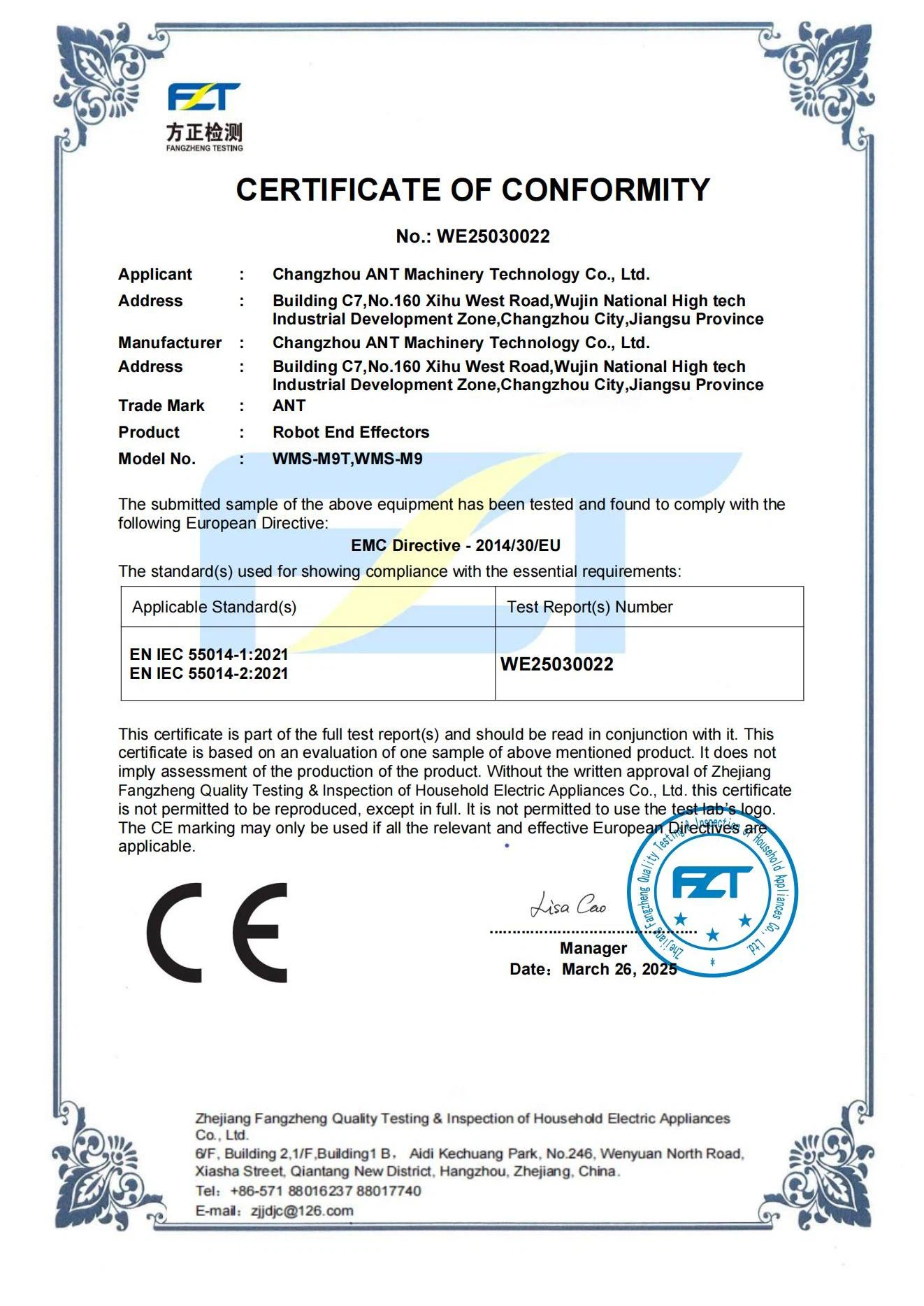
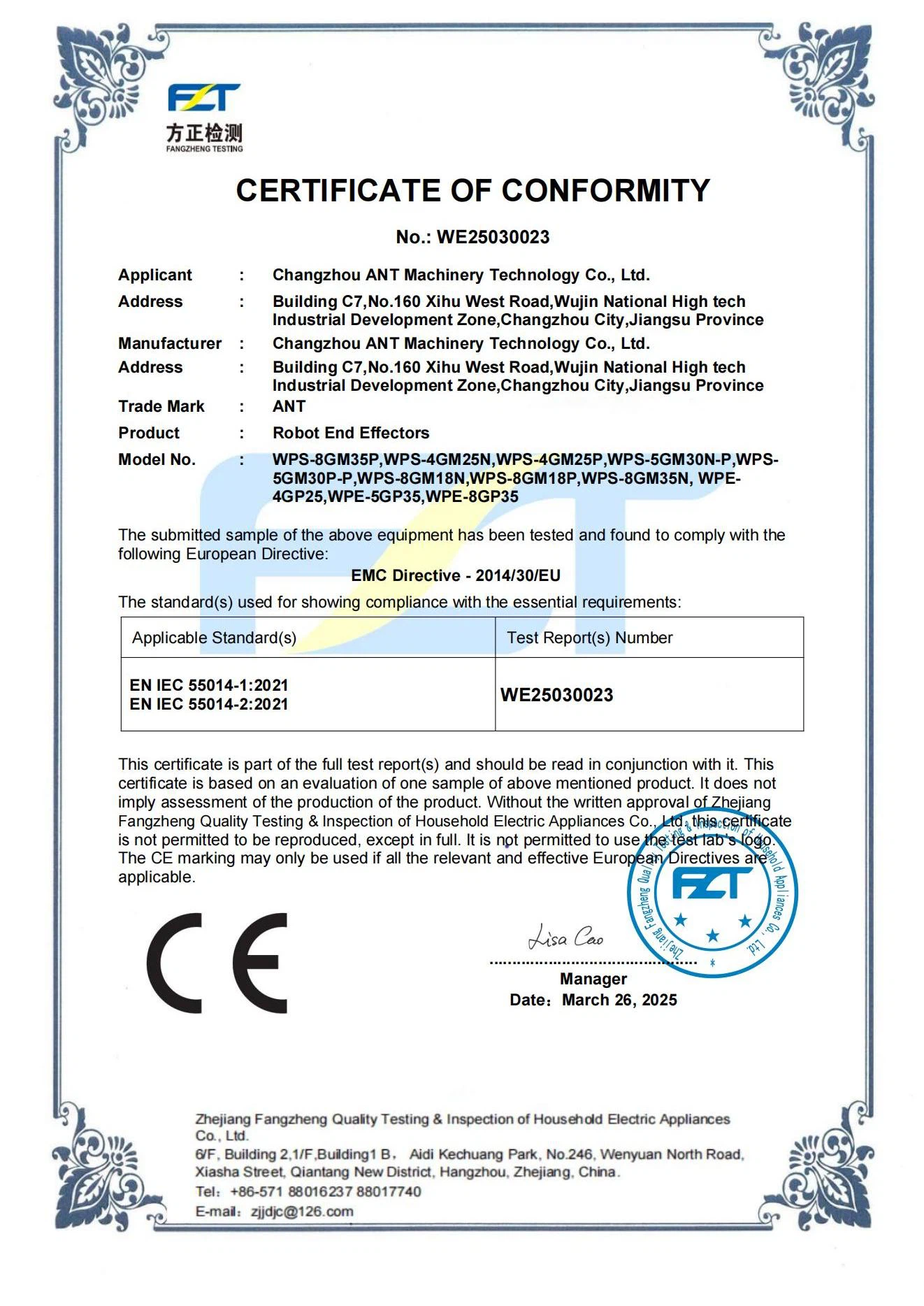
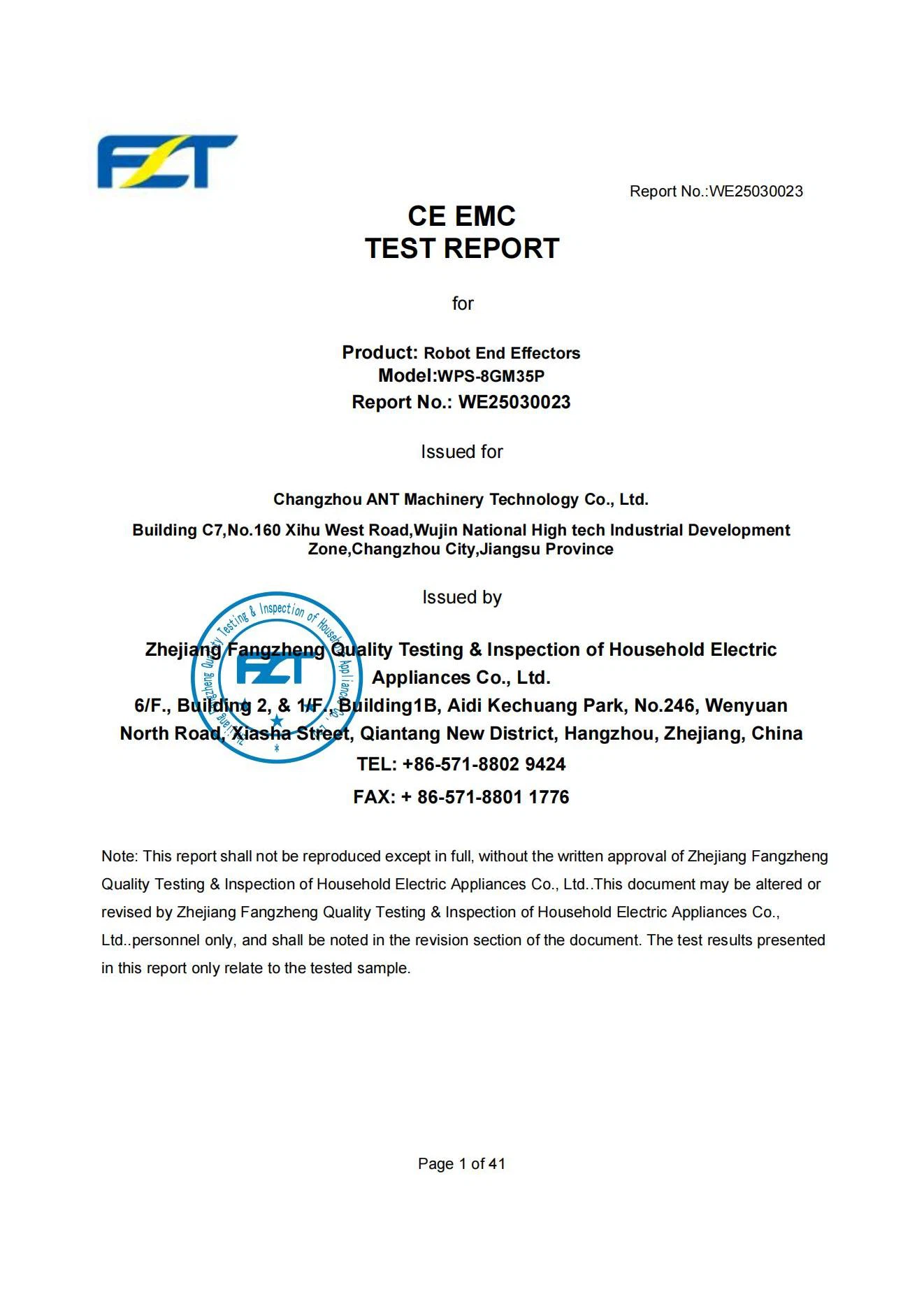
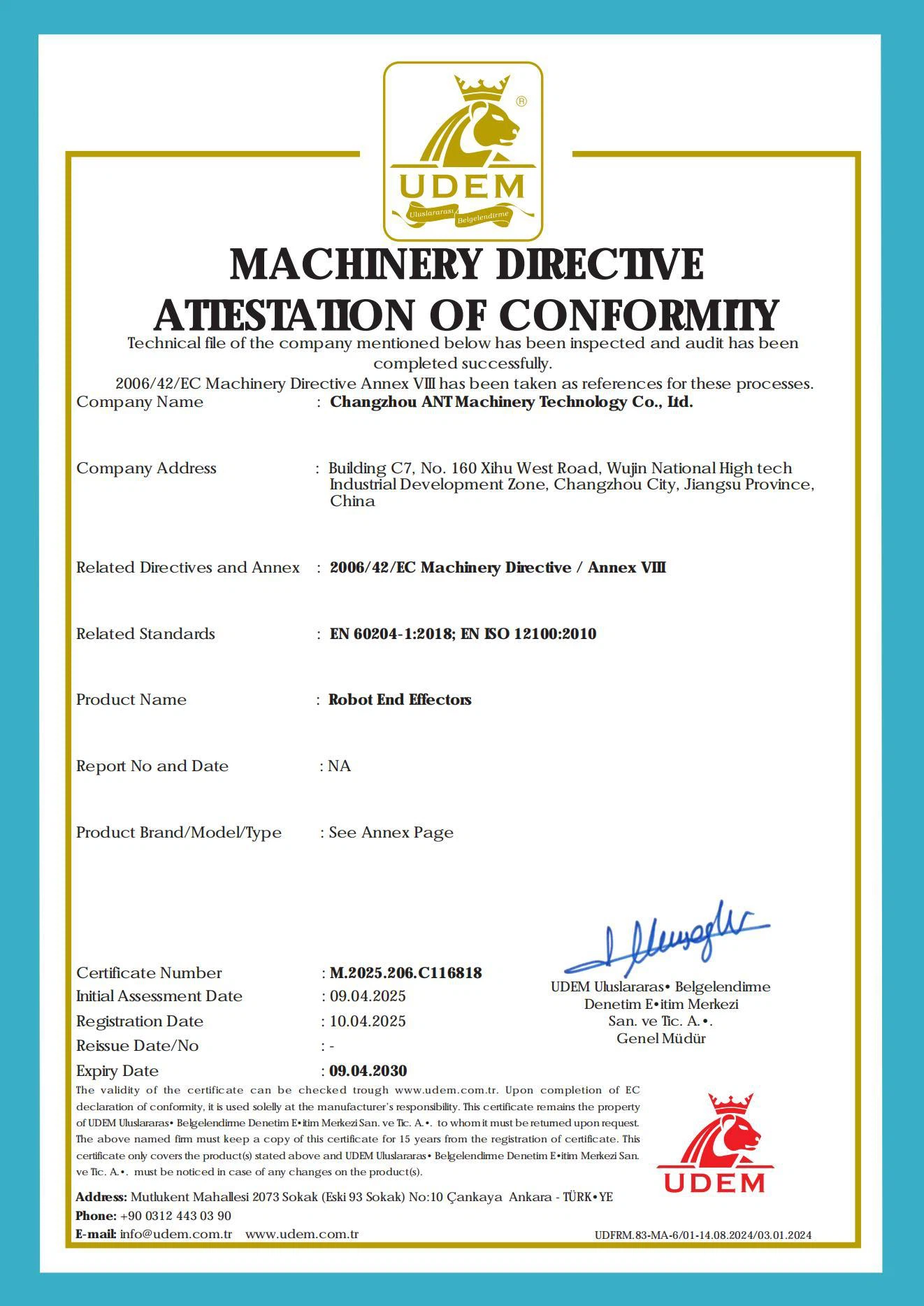
(1) Certificate of Conformity (2) CE EMC Test Report (3) Machinery Directive Attestation of Conformity
Excellent Quality
We enforce rigorous inspection standards at every stage of our process, as we believe quality is paramount.
Reasonable Price
We have a professional purchasing team and costing team, trying to reduce costs and profits, and provide you with a good price.
Perfect Service
With rich experience and one-to-one service, we can help you choose products and answer technical questions.which serves as a significant value-added benefit for our customers.
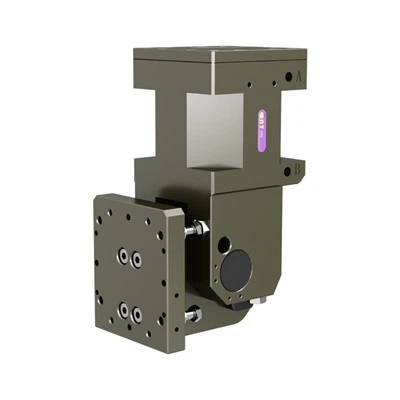
High-Torque Rotary Module
High-Torque Rotary Module offers pneumatic swiveling up to 180 degrees. It combines high torque and moments of inertia at short swivel times, a large center bore, robust bearings, and slim interfering contours. It is suitable for use in environments with aggressive media. Both in axial and radial directions, the bearing is pretensioned without any clearance, enabling high torques and transverse forces to be absorbed.Because the inner dampers are preadjusted, usually only the restrictors need to be set during commissioning before production can begin. When the inner shock absorbers are changed, both the swiveling angle and the damper stroke adjustment remain intact.
|
Model |
Torque @6bar |
Repeat Accuracy |
Weight |
Cycle Time |
|
SKE40 |
9 Nm |
±0.05° |
1.97kg |
1.0s |
|
SKE63 |
27.6 Nm |
±0.05° |
7.2kg |
1.5s |
|
SKE80 |
114.6 Nm |
±0.08° |
21kg |
2.0s |
Features of High-Torque Rotary Module

Torque Output: High torque rotary Module are engineered to generate significant rotational force, enabling them to drive heavy machinery and overcome high resistance loads. Torque output is typically measured in Newton-meters (Nm) or pound-feet (lb-ft) and is directly proportional to the input pressure (in hydraulic systems) or current (in electric systems).
Precision Control: Modern high torque rotary Module offer exceptional control over angular position, rotational speed, and torque delivery. This precision is achieved through integration with advanced control systems such as servo motors, stepper drivers, or programmable logic controllers (PLCs).
Durability and Reliability: Designed for harsh operating environments, high torque rotary Module are constructed from robust materials such as hardened steel alloys, corrosion-resistant brass, and reinforced engineering plastics. These materials resist wear, deformation, and fatigue under continuous stress.
Form Factor and Integration: The physical design of a rotary Module—its size, shape, and mounting configuration—plays a crucial role in system integration. Compact actuators are ideal for space-constrained applications like medical devices or compact automation cells, while larger models accommodate higher torque outputs in industrial machinery.
Speed Range and Operational Flexibility: High torque rotary Module support a wide range of rotational speeds, typically measured in revolutions per minute (RPM) or degrees per second. While high torque often correlates with lower speed, many actuators offer variable speed control through electronic drives or hydraulic flow regulators.
Type of High-Torque Rotary Module
Hydraulic Rotary Module
These Module use pressurized hydraulic fluid to generate high-torque rotational movement, making them ideal for heavy-duty industrial and mobile equipment.
01
Pneumatic Rotary Module
Powered by compressed air, these Module offer fast, reliable motion with moderate torque and are widely used in factory automation systems.
02
Electric Rotary Module
These Module use electric motors (servo or stepper) combined with gearboxes or direct-drive mechanisms to produce precise, controllable rotary motion.
03
Mechanical Gearbox-Integrated Module
These Module combine a motor (electric, hydraulic, or pneumatic) with an integrated gearbox to multiply torque while reducing output speed.
04
Bio-inspired Rotary Module
Engineered to mimic biological motion systems (e.g., muscles and tendons), these Module use smart materials like shape-memory alloys, electroactive polymers, or fluidic elastomer actuators.
05
Applications of High-Torque Rotary Module


Aerospace and Defense
High-torque rotary Module play a critical role in aerospace and defense systems, where reliability under extreme conditions is non-negotiable. They are used to control flight surfaces such as ailerons, rudders, and elevators, ensuring precise
Robotics
In both industrial and service robotics, high torque rotary Module are the driving force behind articulated joints and end-effectors. These Module enable robots to perform complex tasks such as lifting heavy components, assembling precision parts, or executing delicate surgical procedures with consistent accuracy.
Heavy Industry and Construction
High torque hydraulic rotary Module are the backbone of heavy machinery used in construction, mining, and large-scale manufacturing. These Module provide the immense force needed to operate excavator booms, crane arms, drilling rigs, and compactors, often under continuous and harsh operating conditions.
Energy Sector
The energy industry relies heavily on high torque rotary Module for safe and efficient operation of critical infrastructure. From offshore oil platforms to onshore refineries and renewable energy installations, these Module control valves, dampers, and rotating machinery essential for process control and safety.
Marine Applications
In the marine and offshore industries, high torque rotary Module ensure reliable operation of steering mechanisms, winches, hatch covers, and deck machinery. Their resistance to saltwater corrosion and ability to function in high-humidity environments make them ideal for naval, commercial, and recreational vessels.
Accuracy and Repeatability: Refers to how precisely the Module can rotate to a specified angle and return to the same position consistently. Critical in robotics and CNC systems, where micron-level precision may be required.
Rotational Speed (RPM): Determines how quickly the Module reaches its target position. High-speed applications may require gearboxes or servo controls to balance torque and velocity.
Power Source Compatibility: Must align with available infrastructure—electric (AC/DC motors), hydraulic (pump systems), or pneumatic (compressed air lines). Each has trade-offs in efficiency, maintenance, and installation complexity.
Size and Mounting Constraints: Physical dimensions and mounting interface (flange, shaft type, bolt pattern) must fit within the existing mechanical layout without compromising structural integrity.
Environmental Resistance
Consider exposure to dust, moisture, salt spray, chemicals, or extreme temperatures. Seals (e.g., NBR, Viton), IP ratings, and corrosion-resistant materials (stainless steel, anodized aluminum) enhance durability.
Duty Cycle and Load Profile
Continuous vs. intermittent use affects thermal management and wear. Applications with frequent starts/stops or high inertia loads require actuators designed for dynamic stress.
Feedback and Control Integration
For automated systems, compatibility with encoders, resolvers, or PLCs ensures real-time monitoring and closed-loop control.
Maintenance and Calibration Specifications
Warm-up and Pre-torque Test
Before first use, power on the sensor and allow it to warm up for at least 30 minutes. Perform at least one pre-torque test (three turns clockwise and three turns counterclockwise) to eliminate mechanical stress. For example, in CNC machine tool spindle torque testing, insufficient preheating may cause output signal drift in the low-speed range.
Regular Calibration
Perform zero-point and sensitivity calibration every six months using a standard torque calibrator (such as the ZNNT-5NM module). Calibration steps:
- Apply a torque of 0 N·m and record the zero-point output voltage.
- Apply a rated torque (e.g., 5 N·m), record the output voltage, and compare it to the nominal value (1.836 mV/V).
- If the deviation exceeds ±2%, adjust the amplifier gain or replace the sensor.
Fastener Inspection
Check the sensor housing mounting bolts and coupling setscrews monthly for looseness. For example, in wind turbine gearbox testing, loose bolts connecting the sensor to the spindle can cause torque measurements to fluctuate by more than ±5%.

Certificates
FAQ
As one of the leading rotary unit manufacturers and suppliers in China, we warmly welcome you to buy high quality rotary unit made in China here from our factory. For customized service, contact us now.
Heavy duty Rotary Module, Precision rotary wrist RM, rotary module for automation