


Six-axis Force Torque Sensor
Your Professional Six-Axis Force Torque Sensor Supplier
Changzhou Heli Automation Technology Co., Ltd., established in 2022, specializes in industrial robot automation components, providing one-stop supply of automation parts. The company precisely targets market demands, implements strict quality control, and continuously optimizes its supply chain and R&D capabilities to deliver reliable automation component solutions through professionalism and innovation.

Product Categories
Latest Products


Why choose us
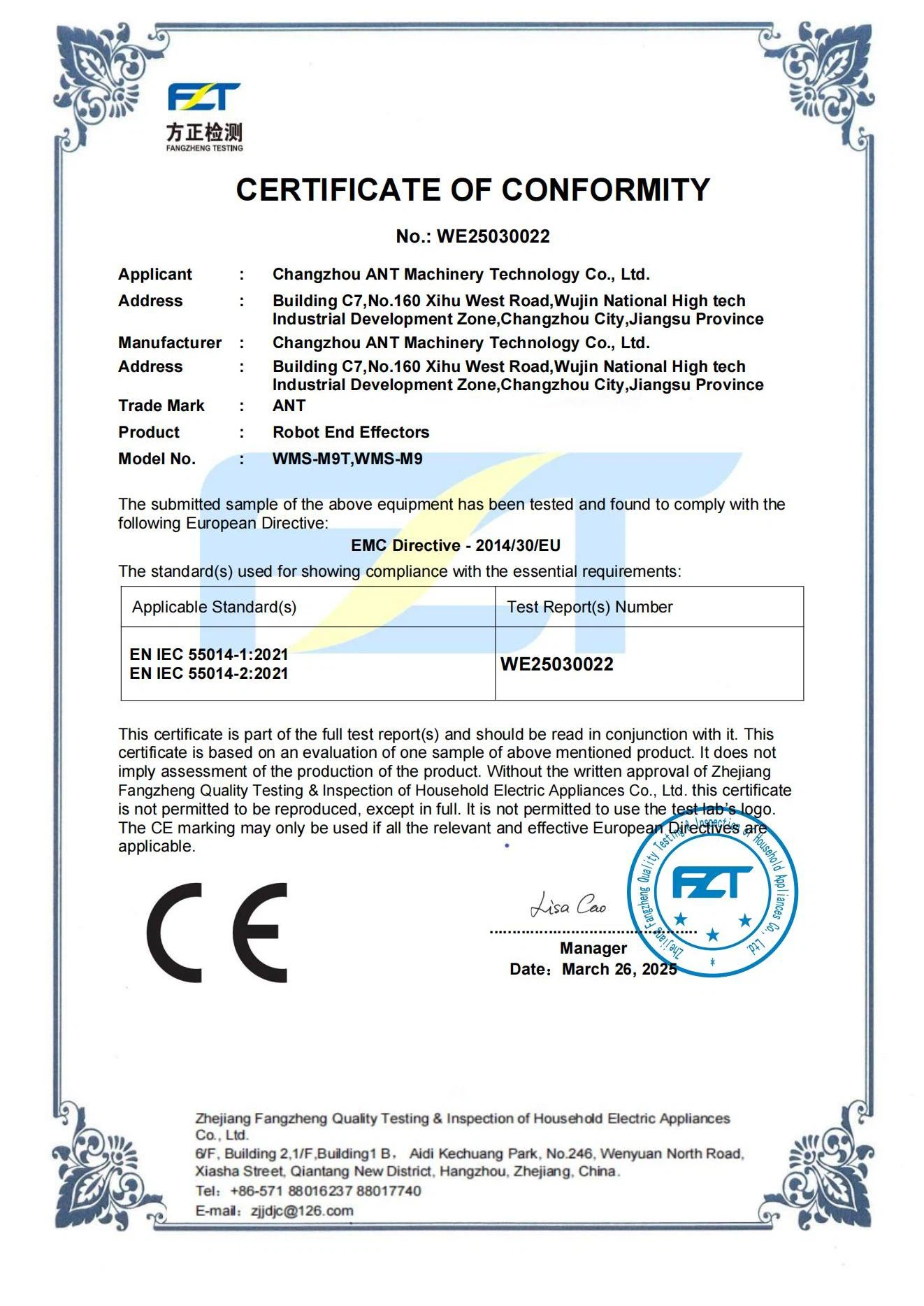
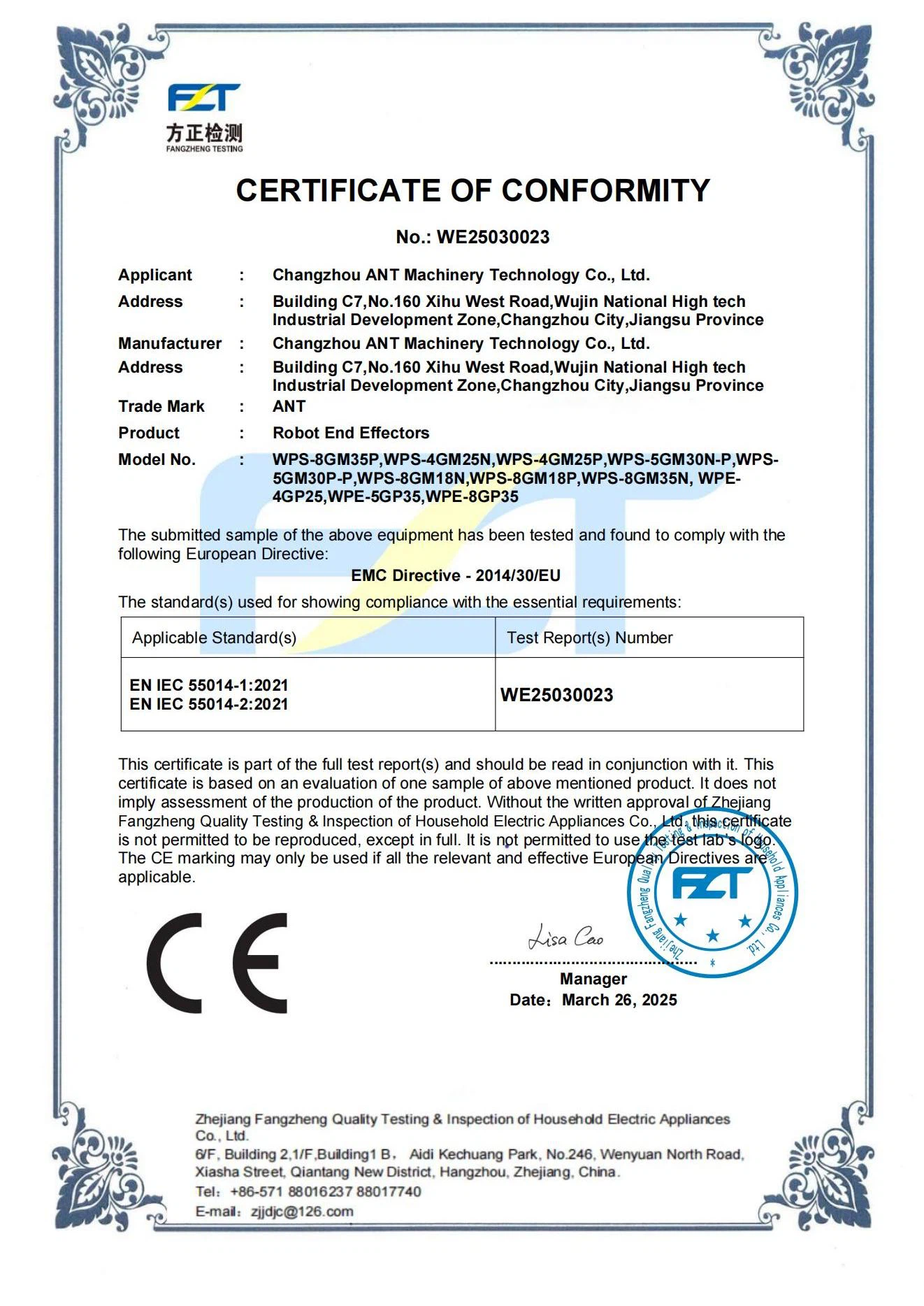
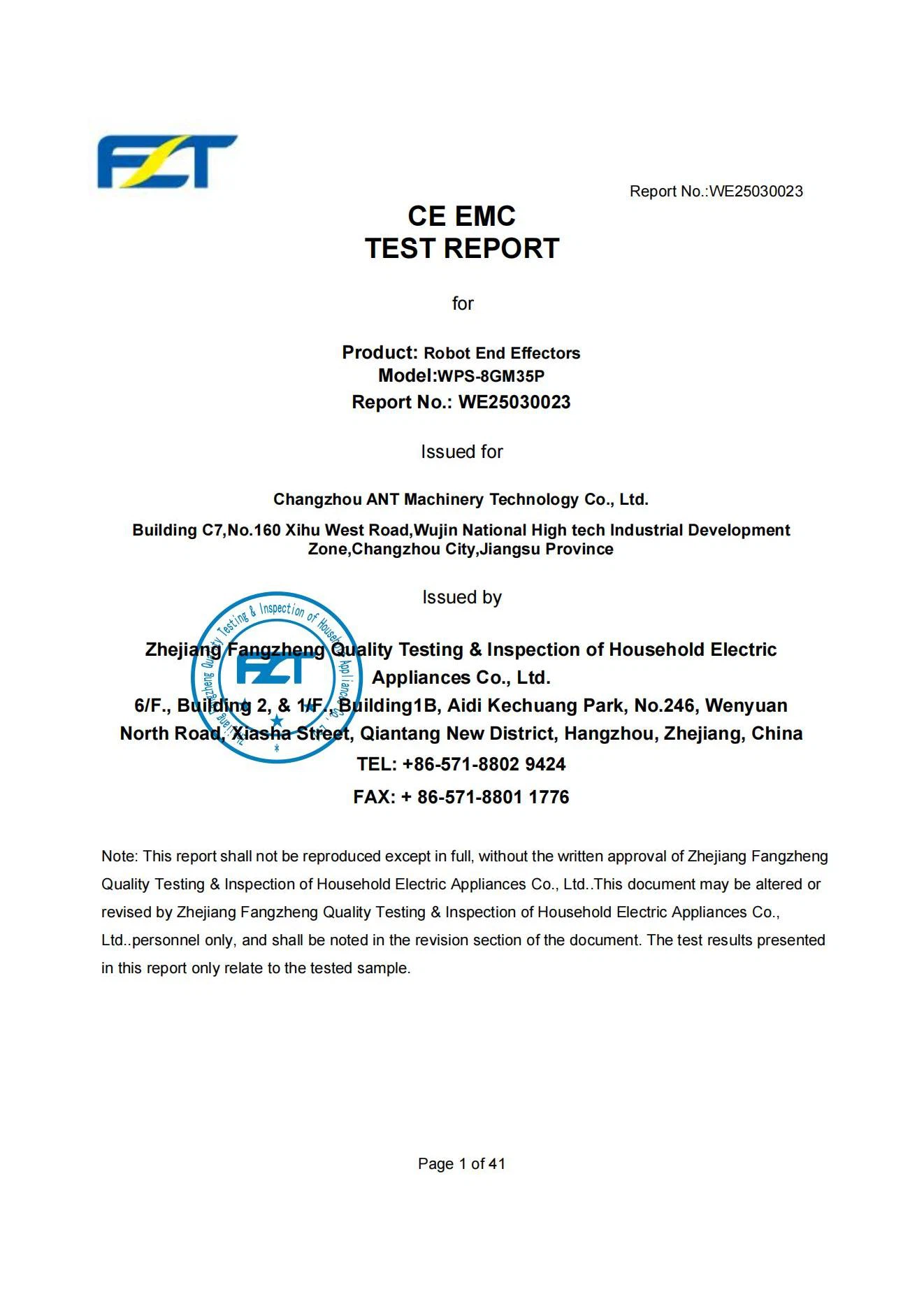
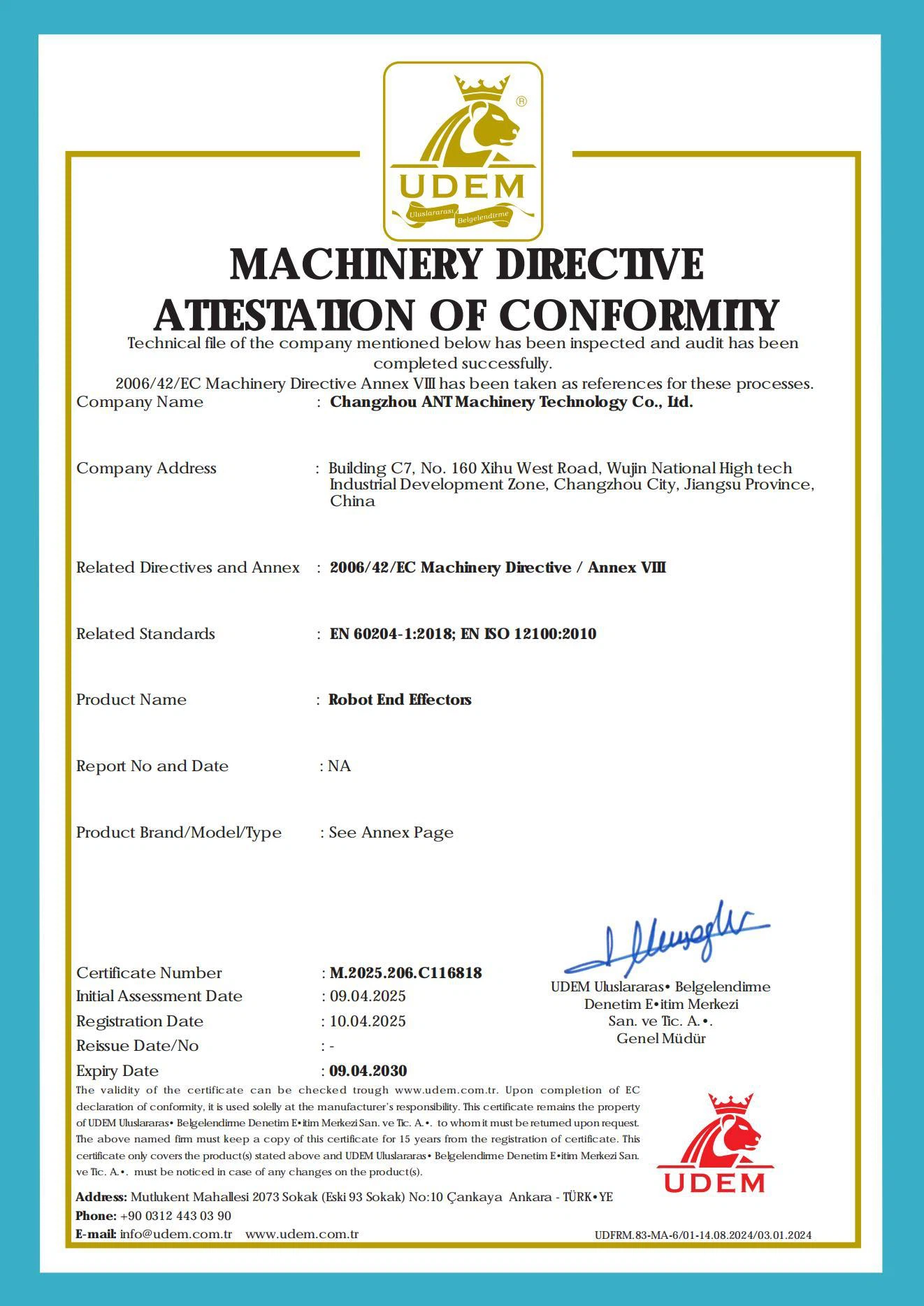
Our Certificate
(1) Certificate of Conformity (2) CE EMC Test Report (3) Machinery Directive Attestation of Conformity
Excellent Quality
We enforce rigorous inspection standards at every stage of our process, as we believe quality is paramount.
Reasonable Price
We have a professional purchasing team and costing team, trying to reduce costs and profits, and provide you with a good price.
Perfect Service
With rich experience and one-to-one service, we can help you choose products and answer technical questions.which serves as a significant value-added benefit for our customers.
Six-Axis Force Torque Sensor
Six-Axis Force Torque Sensor is a special force sensor that can measure the three axial forces and torques of an object in the Cartesian coordinate system. It is the most complete form of multi-dimensional force sensor. It provides robots with functions similar to human touch, enabling robots to perceive and adapt to changes in external environments, thereby completing more complex and fine tasks. As such, the 6-axis force torque sensor is the core component of robotic compliant control and operation.
|
Specifications |
Technique |
|
Rated output |
2.0±10%mV/V |
|
Zero balance |
±2% F.S. |
|
Non-linearity |
0.25% F.S. |
|
Hysteresis |
0.25% F.S. |
|
Repeatability |
0.1% F.S. |
|
Creep (30min) |
0.1% F.S. |
|
Temp. effect on output |
0.05% F.S. / 10ºC |
|
Temp. effect on zero |
0.05% F.S. / 10ºC |
|
Input impedance |
410±10Ω |
|
Output impedance |
350±5Ω |
|
Insulation |
≥5000MΩ/ 100VDC |
|
Recommended excitation |
10V |
|
Maximum excitation |
15V |
|
Compensated temp. range |
- 10~60ºC |
|
Operation temp. range |
- 20~80ºC |
|
Safe overload |
120% F.S. |
|
Ultimate overload |
150% F.S. |
|
Cable size |
Ø3×1500mm |
|
Protection class |
IP65 |
|
Cable color code |
Input: Red(+) Black(-); Output: Green(+) White(-); |
Advantages of Six-Axis Force Torque Sensor


High-precision torque measurement
The six-axis force sensor needs to simultaneously measure force and torque in multiple degrees of freedom, with stringent precision requirements. selects high-sensitivity and high-linearity strain gauge materials, optimizes the layout, and separates forces and torques in each direction effectively, reducing the coupling effect.
Low temperature drift and zero drift stability
Temperature changes significantly affect the sensor’s output signal, requiring stable output signals across a wide temperature range.
High dynamic response and shock resistance
The sensor needs to respond to changes in forces and torques rapidly and be shock-resistant.uses high-rigidity materials and introduces vibration reduction technology in the structural design, enhancing the sensor’s shock resistance.
Low crosstalk and high linearity
Crosstalk between the various measuring directions of the multi-dimensional force sensor can decrease measurement accuracy.adopts an advanced structural decoupling design, high-performance embedded microprocessors, and complex compensation algorithms, minimizing the coupling effect and ensuring high linearity and low crosstalk.
High resolution and sensitivity
High resolution and sensitivity are the core performance indicators for 6-axis force torque sensors, determining whether the sensor can detect small force and torque changes.
Overload protection and long-life design
During use, the sensor inevitably encounters forces beyond the rated range, requiring strong overload protection.
Applications of Six-Axis Force Torque Sensor
Robotics
In robotic applications, 6Six-Axis Force Torque Sensor enable robots to interact with their environment safely and effectively. They provide feedback on the forces exerted during tasks such as assembly, gripping, and manipulation, ensuring precision and minimizing damage.
Automotive
In automotive engineering, Six-Axis Force Torque Sensor play a vital role in crash testing and vehicle dynamics analysis. They help engineers understand how forces act on vehicles during collisions, improving safety features and performance.

Aerospace
The aerospace industry utilizes these sensors for testing and validating structural integrity. By measuring forces during simulations, engineers can analyze how materials and components behave under various loads, leading to safer and more efficient designs.
Medical Devices
These sensors are also found in medical applications, such as prosthetics and rehabilitation devices. They provide crucial feedback on the forces experienced by users, facilitating better design and functionality.
Working Principle of Six-Axis Force Torque Sensor
Strain effect: When a force or torque acts on an elastic body, changes in its shape lead to changes in the resistance of the strain gauge.
Signal conversion and amplification: The tiny resistance changes detected by the strain gauge are first amplified by a charge amplifier and converted into electrical signals before being further transformed into digital signals.
Data processing and decoupling: Data collection is performed using a data acquisition system and converted into an analog-to-digital signal. The software algorithms in the control system then process the data, including decoupling algorithms, to separate forces and torques in each direction to ensure measurement accuracy.
Calibration: To ensure measurement accuracy, 6-axis force sensors require precise calibration and correction. This involves complex six-dimensional joint loading technology to ensure the sensor can accurately measure forces and torques in all six degrees of freedom.
Key Selection Criteria of Six-Axis Force Torque Sensor
Measuring Range
Ensure each axis has sufficient capacity (e.g., Fx = ±200 N, Mz = ±10 Nm)
Output Type
Choose from analog voltage, USB, RS485, EtherCAT, etc.
Size and Weight
Consider impact on end-effector dynamics
Mounting Interface
Compatible with robotic wrists or platforms
Sampling Rate
Fast enough for dynamic motion control (>1 kHz preferred)
IP Rating
For industrial use, look for IP65+ protection
Calibration Procedures
Calibration is needed to keep the sensor’s performance steady over time. It involves checking the sensor against a known standard to see if it’s accurate. Following the maker’s calibration guide is vital for keeping your sensor’s accuracy and dependability.
Maintenance Schedules
Make a maintenance plan based on how often you use the sensor, the environment, and the maker’s advice.
Check the sensor for damage, wear, or signs of damage that could affect its performance.
Follow the maker’s cleaning instructions to keep the sensor clean and working well.
Performance Verification
It’s important to check the sensor’s performance regularly. This helps spot any changes or issues. You might do test measurements, compare the sensor’s output to known values, or use special tools to check its accuracy and consistency.
Certificates
FAQ
As one of the leading six-axis force torque sensor manufacturers and suppliers in China, we warmly welcome you to buy high quality six-axis force torque sensor made in China here from our factory. For customized service, contact us now.
load cell, Robot force sensor, six axis force torque sensor