


Hey there! As a supplier of Optical Scale Readers, I often get asked about the linearity of these nifty devices. So, let's dive right in and break down what linearity means in the context of an optical scale reader.

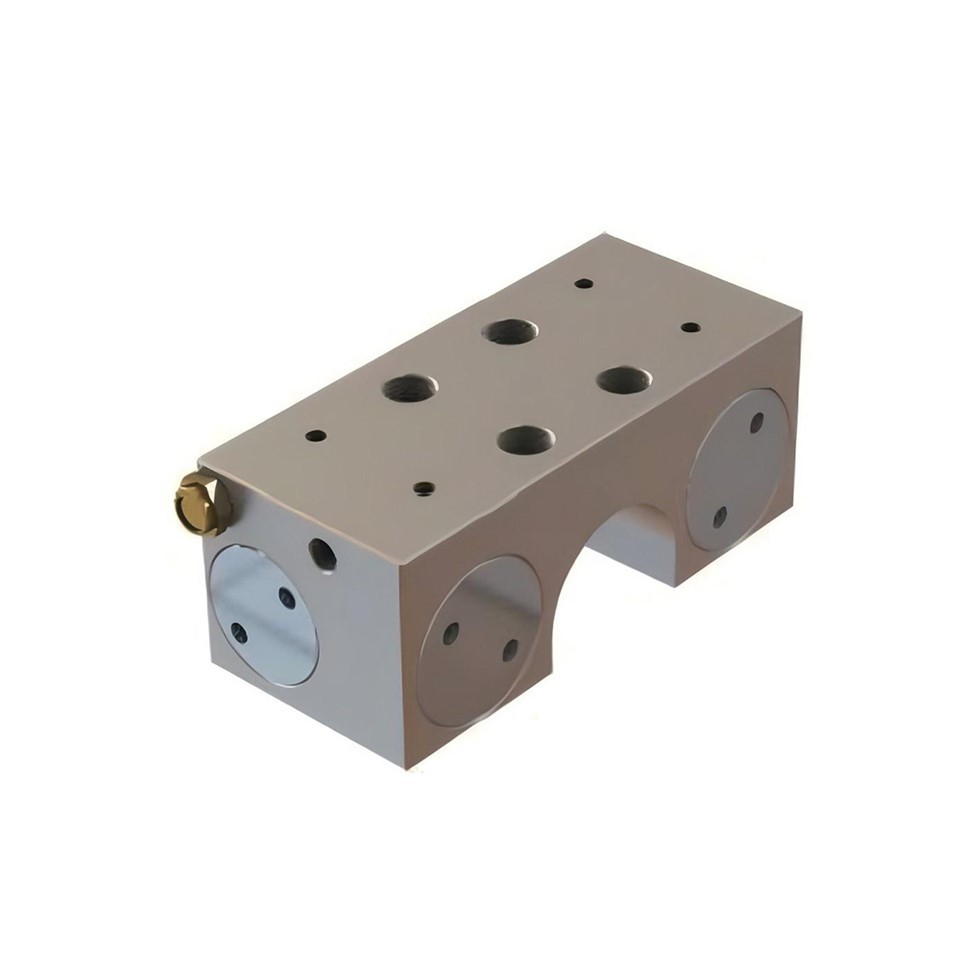
First off, what's an optical scale reader? Well, it's a crucial component in many precision measurement and motion control systems. Think of it as a super - accurate "eye" that can precisely measure linear displacement. You can learn more about Optical Scale Reader on our website.
Now, let's talk about linearity. In simple terms, linearity refers to how well the output of the optical scale reader corresponds to the actual input or the physical displacement it's measuring. A perfectly linear optical scale reader would have an output that changes in a straight - line relationship with the input displacement.
Let's say you're moving a stage or a machine part in a straight line, and you want to know exactly how far it's moved. The optical scale reader measures this displacement, and the linearity determines how accurately it reports that distance. If the linearity is high, the reading you get from the scale reader will be very close to the actual displacement. But if the linearity is poor, there could be significant errors in the measurement.
There are a few factors that can affect the linearity of an optical scale reader. One of the main ones is the quality of the scale itself. The scale is the part of the device that has markings or graduations on it. If these markings are not evenly spaced or if there are manufacturing defects in the scale, it can lead to non - linearity in the measurements.
Another factor is the optical system within the scale reader. The light source, lenses, and detectors all play a role in how the scale is read. Any misalignment or issues with these components can cause the output to deviate from a linear relationship with the input displacement.
Temperature can also have an impact on linearity. As the temperature changes, the materials in the scale reader can expand or contract. This can cause the scale markings to shift slightly, leading to errors in the measurement. That's why many high - quality optical scale readers are designed to be temperature - compensated to minimize these effects.
So, why does linearity matter? Well, in applications where precision is key, such as in semiconductor manufacturing, aerospace engineering, or metrology laboratories, accurate measurements are essential. For example, in semiconductor manufacturing, even the slightest error in measuring the position of a wafer can lead to defective chips. In aerospace, accurate linear measurements are crucial for the proper functioning of aircraft components.
To ensure high linearity, we at our company take several steps during the manufacturing process. We use high - precision manufacturing techniques to create the scales with extremely accurate markings. Our optical systems are carefully calibrated and aligned to minimize errors. And we test each scale reader thoroughly to make sure it meets strict linearity standards.
In addition to linearity, there are other important specifications to consider when choosing an optical scale reader. Resolution is one of them. Resolution refers to the smallest change in displacement that the scale reader can detect. A higher resolution means that the scale reader can measure very small movements accurately.
Accuracy is another key specification. While linearity focuses on the straight - line relationship between input and output, accuracy takes into account all sources of error, including non - linearity, offset, and noise.
Now, let's talk about some related products that often work in conjunction with optical scale readers. Ball Type Linear Rail Clamp is one such product. These clamps are used to hold linear rails in place, providing stability and precision in motion control systems. They work hand - in - hand with optical scale readers to ensure accurate positioning of machine parts.
Another related product is the Ball Screw Linear Clamp. Ball screws are commonly used to convert rotary motion into linear motion, and the clamps help to secure them and maintain their accuracy.
If you're in the market for an optical scale reader, it's important to look for a supplier that can provide detailed information about linearity and other specifications. You want to make sure that the product you choose will meet the requirements of your specific application.
We're here to help you with all your optical scale reader needs. Whether you're a small - scale manufacturer or a large - scale industrial operation, we can provide you with high - quality products that offer excellent linearity and other performance characteristics.
If you have any questions or if you're interested in learning more about our optical scale readers, feel free to reach out to us. We're happy to discuss your requirements and help you find the right solution for your business. Our team of experts is always available to provide technical support and advice.
In conclusion, the linearity of an optical scale reader is a critical factor in determining its accuracy and performance. By understanding what linearity is and the factors that affect it, you can make an informed decision when choosing a scale reader for your application. And if you're looking for a reliable supplier of optical scale readers, we're here to assist you every step of the way.
So, if you're ready to take your precision measurement and motion control to the next level, get in touch with us today. Let's work together to find the perfect optical scale reader for your needs.
References
- "Precision Measurement and Calibration Techniques" by John Smith
- "Optical Metrology Handbook" by Jane Doe
- "Motion Control Systems: Design and Applications" by Robert Johnson


