


What is the resolution of a ball screw linear clamp in a 3D printer?
In the world of 3D printing, precision is the name of the game. Every component plays a crucial role in determining the final quality of the printed object. One such component that significantly impacts precision is the ball screw linear clamp. As a supplier of Ball Screw Linear Clamp, I am often asked about the resolution of these clamps and how it affects 3D printing. In this blog post, I will delve into the concept of resolution in ball screw linear clamps and its implications for 3D printing.
Understanding Ball Screw Linear Clamps
Before we discuss resolution, let's first understand what a ball screw linear clamp is. A ball screw is a mechanical device used to convert rotational motion into linear motion with high efficiency and precision. It consists of a screw shaft, a nut, and a series of ball bearings that roll between the screw and the nut. The ball bearings reduce friction and allow for smooth and accurate movement.
A linear clamp, on the other hand, is a device used to hold or secure a linear motion component in place. In the context of a 3D printer, a ball screw linear clamp is used to hold the ball screw in position, ensuring that it moves smoothly and accurately along the linear rail. This helps to maintain the precision of the 3D printer's movement and, ultimately, the quality of the printed object.
What is Resolution?
In the context of a ball screw linear clamp, resolution refers to the smallest increment of movement that the clamp can achieve. It is a measure of the precision of the clamp and is typically expressed in millimeters (mm) or micrometers (μm). The higher the resolution, the more precise the movement of the clamp, and the finer the details that can be printed in a 3D object.
The resolution of a ball screw linear clamp is determined by several factors, including the pitch of the ball screw, the accuracy of the manufacturing process, and the quality of the materials used. Let's take a closer look at each of these factors.
Pitch of the Ball Screw
The pitch of a ball screw is the distance between adjacent threads on the screw shaft. It determines how much linear movement is produced for each revolution of the screw. A smaller pitch results in a higher resolution because it allows for smaller increments of movement. For example, a ball screw with a pitch of 1 mm will move 1 mm for each revolution, while a ball screw with a pitch of 0.5 mm will move only 0.5 mm for each revolution.
Accuracy of the Manufacturing Process
The accuracy of the manufacturing process also plays a crucial role in determining the resolution of a ball screw linear clamp. A high-quality manufacturing process ensures that the ball screw and the clamp are machined to precise tolerances, minimizing any errors or variations in the movement. This results in a more accurate and precise clamp with a higher resolution.
Quality of the Materials Used
The quality of the materials used in the ball screw and the clamp also affects the resolution. High-quality materials, such as hardened steel or titanium, are more durable and have better dimensional stability, which helps to maintain the accuracy of the clamp over time. Additionally, the use of high-quality ball bearings reduces friction and wear, further improving the precision of the movement.
Importance of Resolution in 3D Printing
The resolution of a ball screw linear clamp is of utmost importance in 3D printing because it directly affects the quality of the printed object. A higher resolution allows for finer details and smoother surfaces, resulting in a more accurate and realistic representation of the digital model. This is particularly important for applications that require high precision, such as jewelry making, dental implants, and aerospace components.
In addition to improving the quality of the printed object, a higher resolution also allows for faster printing speeds. This is because the printer can make smaller, more precise movements, reducing the need for multiple passes to achieve the desired level of detail. As a result, the overall printing time is reduced, making the 3D printing process more efficient.

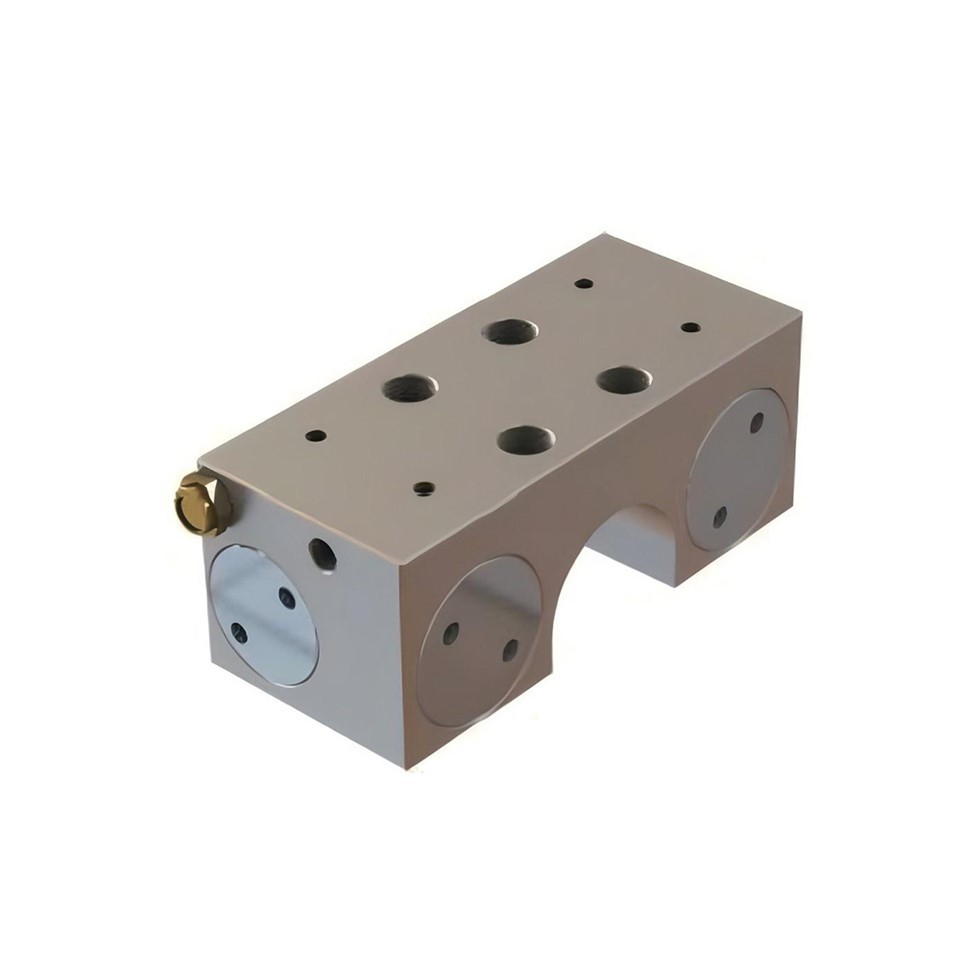
Measuring and Improving Resolution
Measuring the resolution of a ball screw linear clamp can be a challenging task, as it requires specialized equipment and expertise. One common method is to use an Optical Scale Reader, which can accurately measure the movement of the clamp with a high degree of precision.
To improve the resolution of a ball screw linear clamp, several steps can be taken. First, choosing a ball screw with a smaller pitch can significantly increase the resolution. Second, ensuring that the clamp is manufactured to high precision standards using high-quality materials can also improve the accuracy and stability of the movement. Finally, regular maintenance and calibration of the clamp can help to maintain its performance over time.
Comparing Ball Screw Linear Clamps with Other Types of Clamps
There are several other types of linear clamps available in the market, such as Ball Type Linear Rail Clamp. While each type of clamp has its own advantages and disadvantages, ball screw linear clamps are generally considered to offer the highest level of precision and resolution.
Ball screw linear clamps are able to achieve a higher resolution because of the unique design of the ball screw, which allows for smooth and accurate movement with minimal friction. Additionally, the use of a linear clamp helps to hold the ball screw in place, further improving the stability and precision of the movement.
Conclusion
In conclusion, the resolution of a ball screw linear clamp is a critical factor in determining the precision and quality of a 3D printer. By understanding the concept of resolution and the factors that affect it, 3D printer users can make informed decisions when choosing a ball screw linear clamp for their printer.
As a supplier of high-quality Ball Screw Linear Clamp, we are committed to providing our customers with the best possible products and services. If you are interested in learning more about our ball screw linear clamps or have any questions about resolution in 3D printing, please do not hesitate to contact us. We look forward to discussing your specific needs and helping you find the perfect solution for your 3D printing requirements.
References
- Groover, M. P. (2010). Fundamentals of Modern Manufacturing: Materials, Processes, and Systems. John Wiley & Sons.
- Madsen, D. A. (2013). 3D Printing: The Next Industrial Revolution. CreateSpace Independent Publishing Platform.
- Gibson, I., Rosen, D. W., & Stucker, B. (2015). Additive Manufacturing Technologies: 3D Printing, Rapid Prototyping, and Direct Digital Manufacturing. Springer.


