


As a supplier of Grade Racks, I often encounter questions from customers about the versatility of our products. One question that has piqued my interest recently is whether a Grade Rack can be used for storing musical instruments. In this blog post, I will explore this topic in detail, considering the features of Grade Racks and the requirements for storing musical instruments.
Understanding Grade Racks
Grade Racks are known for their robust construction and adjustable design. They are typically made from high - quality materials such as steel or aluminum, which provide excellent strength and durability. The adjustable shelves allow users to customize the storage space according to their needs, making them suitable for a wide range of items.
The design of Grade Racks often includes features like heavy - duty frames, reinforced corners, and secure locking mechanisms. These features ensure that the rack can withstand significant weight and remain stable even when fully loaded. Additionally, many Grade Racks come with powder - coated finishes, which not only enhance their appearance but also protect them from corrosion and wear.
Requirements for Storing Musical Instruments
Musical instruments are delicate and require proper storage to maintain their quality. Here are some key requirements for storing musical instruments:
Protection from Physical Damage
Instruments can be easily damaged by impacts, scratches, or dents. A storage solution should provide a stable and secure environment to prevent these types of damage. For example, stringed instruments like guitars and violins have fragile necks and bodies that can be easily bent or cracked if not stored properly.

Humidity and Temperature Control
Most musical instruments are sensitive to changes in humidity and temperature. High humidity can cause wood to swell, leading to warping and changes in the instrument's tone. Low humidity, on the other hand, can cause the wood to dry out and crack. Ideal storage conditions usually involve maintaining a relatively stable humidity level between 40% - 60% and a temperature between 60°F - 70°F (15°C - 21°C).
Accessibility
Musicians need easy access to their instruments. A storage solution should allow for quick and convenient retrieval of the instrument without having to move a lot of other items. This is especially important for professional musicians who may need to grab their instrument and head to a gig at a moment's notice.
Can a Grade Rack Meet the Requirements?
Physical Protection
Grade Racks can offer a high level of physical protection for musical instruments. Their sturdy construction means that they can support the weight of the instruments without sagging or collapsing. The adjustable shelves can be configured to create a custom - fit space for each instrument, reducing the risk of them knocking into each other. For example, you can adjust the shelves to create a wide, flat space for storing a large drum set or a narrow, vertical space for a saxophone.
Humidity and Temperature Control
While Grade Racks themselves do not have built - in humidity and temperature control features, they can be used in conjunction with other solutions. For instance, you can place a dehumidifier or a humidifier in the room where the Grade Rack is located to maintain the appropriate humidity level. You can also use insulation materials around the rack to help regulate the temperature. However, it's important to note that this may require additional effort and cost on the part of the user.
Accessibility
The adjustable design of Grade Racks makes them highly accessible. You can arrange the instruments in a way that allows for easy reach. For example, you can place frequently used instruments on the lower or middle shelves, while less - used instruments can be stored on the upper shelves. Additionally, if the rack has open - front design, it provides clear visibility of all the instruments, making it easy to find the one you need.
Examples of Musical Instruments That Can Be Stored on a Grade Rack
Guitars
Guitars can be stored vertically on a Grade Rack. You can use guitar hangers or brackets to secure the guitars to the rack. This not only saves space but also keeps the guitars in a stable position, reducing the risk of damage. For acoustic guitars, it's important to ensure that the rack is located in an area with proper humidity control to prevent the wood from warping.
Drums
Drum sets can be disassembled and stored on a Grade Rack. The rack can hold the drums, cymbals, and hardware in an organized manner. You can use the adjustable shelves to create compartments for different parts of the drum set. For example, you can place the bass drum on the bottom shelf, the tom - toms on the middle shelves, and the cymbals on the upper shelves.
Wind Instruments
Wind instruments such as flutes, clarinets, and saxophones can be stored horizontally or vertically on a Grade Rack. You can use foam inserts or soft cases to protect the instruments from scratches. If stored vertically, make sure the rack has enough support to keep the instruments upright.
Other Considerations
Compatibility with Accessories
In addition to the instruments themselves, musicians often have a lot of accessories such as music stands, cables, and picks. A Grade Rack can also be used to store these accessories. You can use small bins or drawers to organize the accessories and place them on the shelves of the rack.
Customization
Grade Racks can be customized to better suit the needs of storing musical instruments. For example, you can add additional features such as padded shelves, anti - vibration pads, or locking doors. These customizations can enhance the protection and functionality of the rack.
Related Products for Storage and Precision Work
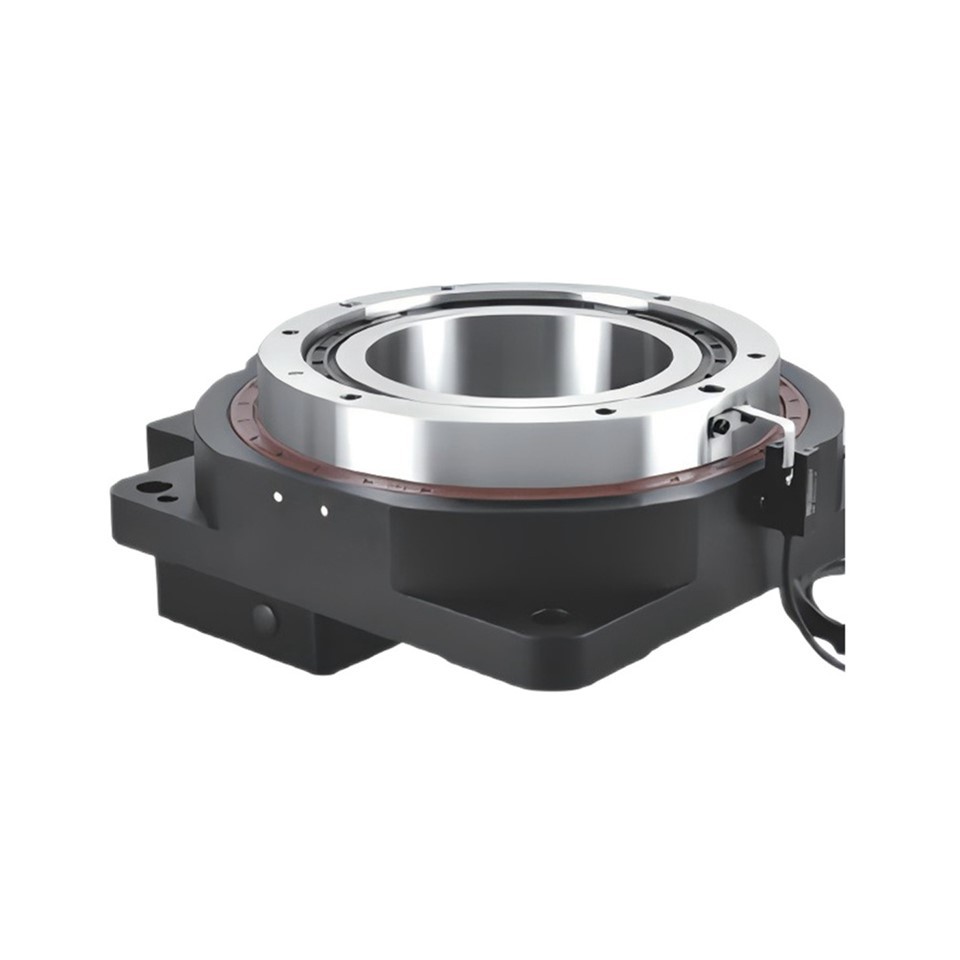
If you are interested in other storage or precision - related products, we also offer a range of Standard Hollow Rotary Table, Right Angle Hollow Rotary Table, and Multi - axis Hollow Rotary Table. These products are designed for high - precision work and can be used in various industries.
Conclusion
In conclusion, a Grade Rack can be a viable option for storing musical instruments. It offers physical protection, adjustability for easy access, and can be customized to meet the specific needs of different instruments. While it may not provide built - in humidity and temperature control, it can be used in conjunction with other solutions to create a suitable storage environment.
If you are a musician or a music studio owner looking for a reliable storage solution for your musical instruments, I encourage you to consider our Grade Racks. We offer a wide range of sizes and configurations to meet your requirements. Contact us to discuss your needs and explore how our Grade Racks can be the perfect fit for your instrument storage needs.
References
- "The Complete Guide to Musical Instrument Care" by John Smith
- "Storage Solutions for Musicians" by Jane Doe
- Industry standards for musical instrument storage and handling


