


In the world of modern manufacturing, multi - axis hollow rotary tables have emerged as indispensable components, offering high precision and flexibility in a wide range of applications. As a supplier of multi - axis hollow rotary tables, one question that frequently arises from our customers is whether these sophisticated machines require special training to operate. In this blog, we will delve into this topic, explore the different aspects of operating multi - axis hollow rotary tables, and provide insights for those considering integrating them into their production lines.
Understanding Multi - Axis Hollow Rotary Tables
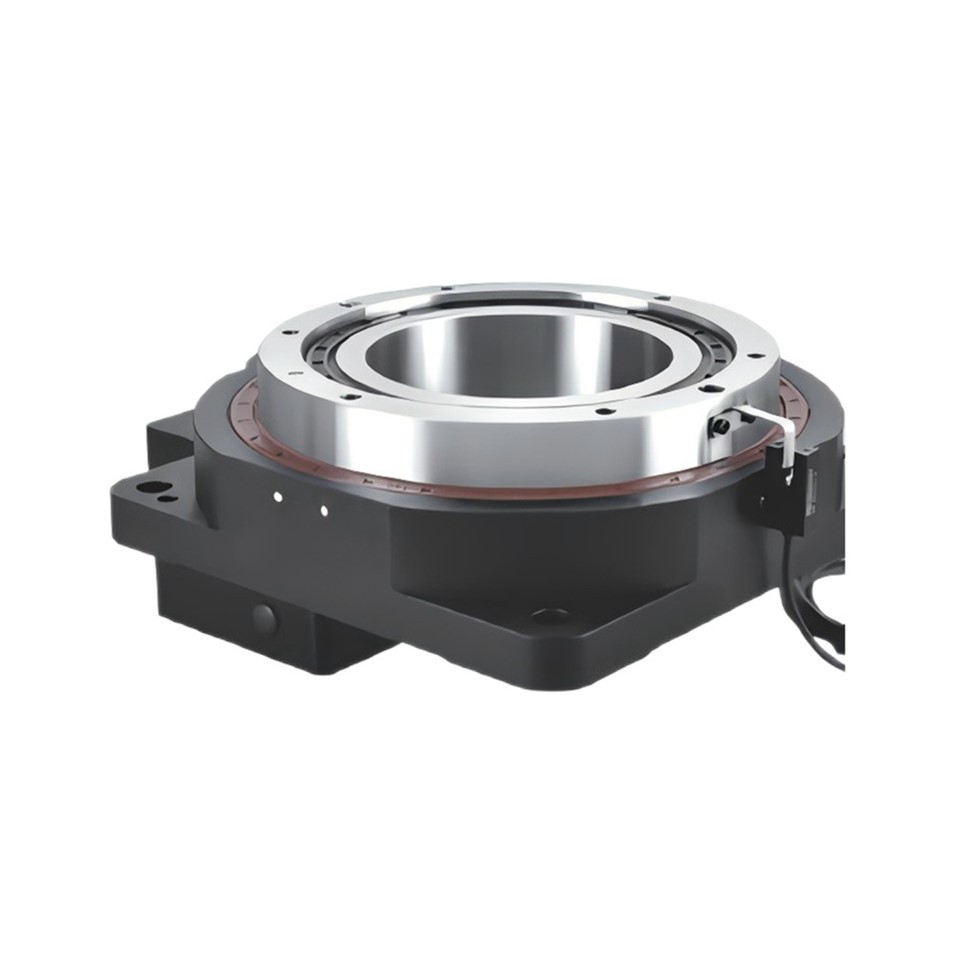
Before discussing the training requirements, it's essential to understand what multi - axis hollow rotary tables are. These tables are designed to provide rotational motion around multiple axes, typically two or more. The "hollow" aspect refers to the central bore that allows for the passage of cables, hoses, or other components, which is particularly useful in applications such as robotics, automation, and precision machining.
There are several types of multi - axis hollow rotary tables available on the market, including the Right Angle Hollow Rotary Table, Cam Roller Hollow Rotary Table, and Standard Hollow Rotary Table. Each type has its own unique features and applications, which in turn may influence the level of training needed to operate them effectively.
Factors Influencing Training Requirements
Machine Complexity
One of the primary factors determining whether special training is required is the complexity of the multi - axis hollow rotary table itself. Modern tables are equipped with advanced control systems that can provide precise positioning and high - speed rotation. These systems may include programmable logic controllers (PLCs), servo motors, and sophisticated feedback mechanisms. Operators need to understand how to program these controllers, set up the correct parameters, and troubleshoot any issues that may arise.
For example, in a precision machining application, the operator needs to know how to input the correct cutting paths and rotation speeds to ensure accurate machining. If the table has multiple axes, coordinating the movement of each axis becomes even more complex. This level of complexity often necessitates specialized training to ensure safe and efficient operation.
Safety Considerations
Safety is another crucial factor. Multi - axis hollow rotary tables can operate at high speeds and with significant forces. Incorrect operation can lead to serious injuries or damage to the equipment. Training programs typically cover safety procedures, such as how to properly secure workpieces, how to use emergency stop buttons, and how to conduct routine maintenance checks.
For instance, if a workpiece is not properly secured on the rotary table, it can become dislodged during operation and pose a significant safety hazard. Training ensures that operators are aware of these risks and know how to mitigate them.
Application - Specific Requirements
The specific application of the multi - axis hollow rotary table also plays a role in determining the training needs. Different industries have different requirements and operating procedures. For example, in the electronics manufacturing industry, where precision is of utmost importance, operators need to be trained to handle delicate components and achieve extremely high levels of accuracy.
On the other hand, in a heavy - duty machining application, operators may need to focus more on the strength and durability of the table and how to handle larger workpieces. Tailored training programs can be developed to meet the specific needs of each application.
The Benefits of Special Training
Improved Efficiency
Trained operators can make the most of the capabilities of multi - axis hollow rotary tables. They can quickly set up the machine, adjust the parameters as needed, and perform tasks more efficiently. This leads to increased productivity and reduced downtime, which is crucial in a competitive manufacturing environment.
For example, an operator who is well - trained in programming the table's control system can optimize the machining process, reducing the time required for each operation.

Enhanced Quality
Special training also ensures that operators can produce high - quality products. They understand the importance of precision and how to achieve it through proper operation of the table. This leads to fewer defects and higher customer satisfaction.
In a precision engineering application, accurate positioning of the table is essential for producing high - quality components. Trained operators are better equipped to achieve this level of accuracy.
Long - Term Cost Savings
Investing in training can result in long - term cost savings. Well - trained operators are less likely to make mistakes that can damage the equipment or cause production delays. This reduces the need for costly repairs and maintenance and can extend the lifespan of the multi - axis hollow rotary table.
Training Options
In - House Training
Many manufacturers choose to provide in - house training for their operators. This allows them to customize the training program to their specific needs and production processes. In - house training can be conducted by experienced employees or by bringing in external trainers.
The advantage of in - house training is that it can be tailored to the exact requirements of the company. It also allows for hands - on training on the actual equipment, which can be more effective in teaching operators how to use the multi - axis hollow rotary table.
Manufacturer - Provided Training
As a supplier of multi - axis hollow rotary tables, we offer training programs for our customers. Our training sessions cover everything from the basic operation of the table to advanced programming and troubleshooting techniques.
Our training is conducted by experts who have in - depth knowledge of our products. This ensures that operators receive accurate and up - to - date information. Additionally, we provide hands - on training at our facilities, allowing operators to gain practical experience with our tables.
Online Training Resources
In addition to in - house and manufacturer - provided training, there are also online training resources available. These resources can be a convenient way for operators to learn at their own pace. Online courses may include video tutorials, interactive simulations, and step - by - step guides.
However, online training may not be as effective as in - person training, especially for hands - on skills. It is often best used as a supplement to other training methods.
Conclusion
In conclusion, multi - axis hollow rotary tables generally require special training to operate safely and effectively. The complexity of the machines, safety considerations, and application - specific requirements all contribute to the need for training. Investing in training can bring numerous benefits, including improved efficiency, enhanced quality, and long - term cost savings.
As a leading supplier of multi - axis hollow rotary tables, we are committed to providing our customers with the support they need. Our training programs are designed to ensure that operators can make the most of our products. If you are considering purchasing a multi - axis hollow rotary table or need more information about our training options, we encourage you to contact us for a detailed discussion and a potential purchase negotiation. We look forward to working with you to meet your manufacturing needs.
References
- [List of relevant industry standards and best practices documents, technical manuals, and research papers related to multi - axis hollow rotary tables. This section should be filled with real references after a thorough research]


