


A linear rail clamp is a crucial component in many industrial and mechanical applications, providing a reliable means to secure linear motion systems. As a leading supplier of linear rail clamps, I am often asked about how these devices work. In this blog post, I will delve into the inner workings of linear rail clamps, exploring their design, operation, and the benefits they offer.
Design and Components of a Linear Rail Clamp
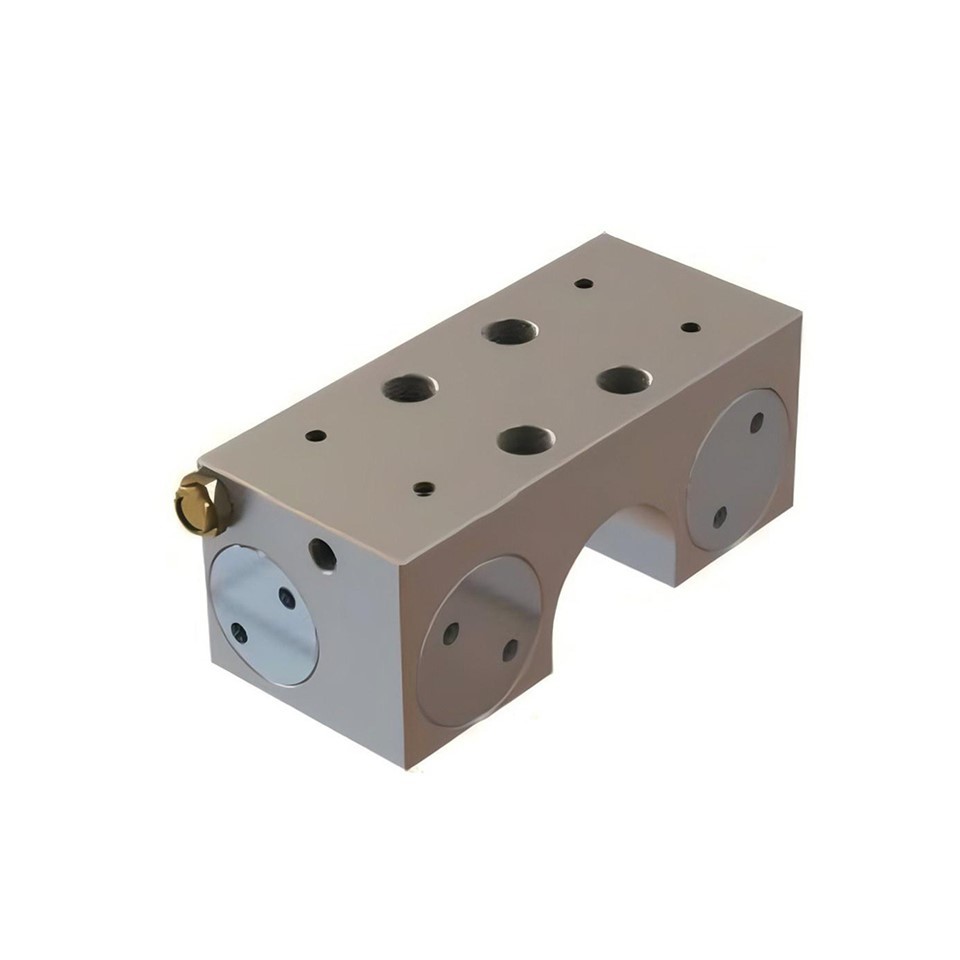
Before we discuss how a linear rail clamp works, it's important to understand its basic design and components. A typical linear rail clamp consists of several key parts:
- Clamping Body: This is the main housing of the clamp, which holds all the other components in place. It is usually made of high-strength materials such as steel or aluminum to ensure durability and stability.
- Clamping Mechanism: The clamping mechanism is responsible for applying the clamping force to the linear rail. There are several types of clamping mechanisms, including mechanical, hydraulic, and pneumatic. Each type has its own advantages and disadvantages, depending on the specific application requirements.
- Actuator: The actuator is used to activate the clamping mechanism. It can be a manual lever, a solenoid, a hydraulic cylinder, or a pneumatic cylinder. The choice of actuator depends on the type of clamping mechanism and the desired level of automation.
- Guide Rails: Guide rails are used to ensure that the linear rail moves smoothly and accurately. They are usually made of hardened steel or other high-strength materials to withstand the forces applied during operation.
- Mounting Bracket: The mounting bracket is used to attach the linear rail clamp to the machine or equipment. It is designed to provide a secure and stable connection, ensuring that the clamp operates effectively.
How a Linear Rail Clamp Works
The operation of a linear rail clamp can be divided into two main phases: the clamping phase and the releasing phase.

Clamping Phase
During the clamping phase, the actuator is activated to apply a force to the clamping mechanism. This force causes the clamping mechanism to grip the linear rail tightly, preventing it from moving. The clamping force is typically generated by a mechanical, hydraulic, or pneumatic system, depending on the type of clamp.
- Mechanical Clamps: Mechanical clamps use a simple lever or cam mechanism to apply the clamping force. When the actuator is activated, the lever or cam rotates, causing the clamping jaws to close around the linear rail. The clamping force is determined by the mechanical advantage of the lever or cam system.
- Hydraulic Clamps: Hydraulic clamps use a hydraulic cylinder to apply the clamping force. When the actuator is activated, hydraulic fluid is pumped into the cylinder, causing the piston to move. The movement of the piston applies a force to the clamping mechanism, which grips the linear rail tightly. The clamping force can be adjusted by controlling the pressure of the hydraulic fluid.
- Pneumatic Clamps: Pneumatic clamps use a pneumatic cylinder to apply the clamping force. When the actuator is activated, compressed air is supplied to the cylinder, causing the piston to move. The movement of the piston applies a force to the clamping mechanism, which grips the linear rail tightly. The clamping force can be adjusted by controlling the pressure of the compressed air.
Releasing Phase
During the releasing phase, the actuator is deactivated, causing the clamping mechanism to release the linear rail. This allows the linear rail to move freely again. The releasing process is usually the reverse of the clamping process.
- Mechanical Clamps: In a mechanical clamp, the lever or cam is rotated in the opposite direction to release the clamping force. This causes the clamping jaws to open, allowing the linear rail to move.
- Hydraulic Clamps: In a hydraulic clamp, the hydraulic fluid is released from the cylinder, causing the piston to retract. This releases the clamping force, allowing the linear rail to move.
- Pneumatic Clamps: In a pneumatic clamp, the compressed air is released from the cylinder, causing the piston to retract. This releases the clamping force, allowing the linear rail to move.
Benefits of Using a Linear Rail Clamp
Linear rail clamps offer several benefits in industrial and mechanical applications:
- Precision and Accuracy: Linear rail clamps provide a high level of precision and accuracy in linear motion systems. They ensure that the linear rail moves smoothly and accurately, reducing the risk of errors and improving the quality of the finished product.
- Reliability and Durability: Linear rail clamps are designed to withstand the harsh conditions of industrial environments. They are made of high-strength materials and are built to last, ensuring reliable operation over a long period of time.
- Safety: Linear rail clamps help to improve safety in industrial applications by preventing the linear rail from moving unexpectedly. This reduces the risk of accidents and injuries, protecting both the operators and the equipment.
- Versatility: Linear rail clamps can be used in a wide range of applications, including machine tools, robotics, automation systems, and material handling equipment. They can be customized to meet the specific requirements of each application, making them a versatile solution for linear motion control.
Applications of Linear Rail Clamps
Linear rail clamps are used in a variety of industrial and mechanical applications, including:
- Machine Tools: Linear rail clamps are used in machine tools such as lathes, milling machines, and grinders to secure the workpiece and ensure accurate machining. They help to improve the precision and quality of the finished product, reducing the need for rework and increasing productivity.
- Robotics: Linear rail clamps are used in robotics to control the movement of the robot arm. They provide a reliable means to secure the arm in a specific position, allowing the robot to perform precise tasks with high accuracy.
- Automation Systems: Linear rail clamps are used in automation systems to control the movement of conveyor belts, actuators, and other components. They help to ensure that the system operates smoothly and efficiently, reducing downtime and improving productivity.
- Material Handling Equipment: Linear rail clamps are used in material handling equipment such as forklifts, cranes, and hoists to secure the load and prevent it from moving during transportation. They help to improve the safety and efficiency of material handling operations, reducing the risk of accidents and damage to the load.
Types of Linear Rail Clamps
There are several types of linear rail clamps available on the market, each with its own unique features and advantages. Some of the most common types include:
- Optical Scale Reader: This type of clamp uses an optical scale to measure the position of the linear rail. It provides high precision and accuracy, making it suitable for applications that require precise positioning.
- Ball Screw Linear Clamp: This type of clamp uses a ball screw to convert rotary motion into linear motion. It provides high thrust and speed, making it suitable for applications that require high force and rapid movement.
- Ball Type Linear Rail Clamp: This type of clamp uses ball bearings to reduce friction and improve the smoothness of the linear motion. It provides high efficiency and long service life, making it suitable for applications that require continuous operation.
Conclusion
In conclusion, linear rail clamps are essential components in many industrial and mechanical applications. They provide a reliable means to secure linear motion systems, ensuring precision, accuracy, and safety. As a leading supplier of linear rail clamps, we offer a wide range of products to meet the specific needs of our customers. Whether you are looking for a mechanical, hydraulic, or pneumatic clamp, we have the expertise and experience to provide you with the right solution.
If you are interested in learning more about our linear rail clamps or would like to discuss your specific requirements, please feel free to contact us. Our team of experts will be happy to assist you and provide you with the information you need to make an informed decision.
References
- Groover, M. P. (2010). Fundamentals of Modern Manufacturing: Materials, Processes, and Systems. John Wiley & Sons.
- Shigley, J. E., & Mischke, C. R. (2004). Mechanical Engineering Design. McGraw-Hill.
- Norton, R. L. (2004). Machine Design: An Integrated Approach. Prentice Hall.


