


Hey there! So, you're probably wondering, "What is a tri - gripper?" Well, let me break it down for you. I'm a supplier of tri - grippers, and I've got a ton of knowledge about these nifty little devices.
A tri - gripper, as the name suggests, is a type of gripper that has three fingers or jaws. Unlike the more common 2-finger Angular End Effector or 2-finger Angular Gripper, the tri - gripper offers a unique set of advantages.
One of the main benefits of a tri - gripper is its enhanced stability. When you're trying to pick up an object, having three points of contact provides a more balanced grip. It's like the difference between standing on two legs and standing on three legs. With two legs, you're more likely to wobble or fall, but with three, you've got a solid base. This stability is crucial in industrial applications where precision is key. For example, in a manufacturing plant, a tri - gripper can pick up small, delicate parts without dropping them, ensuring that the production process runs smoothly.
Another advantage is the ability to handle a wider range of object shapes. While a 2 - finger gripper is great for flat or cylindrical objects, a tri - gripper can adapt to irregularly shaped items. It can grasp objects from multiple angles, making it a versatile tool in various industries. Whether it's a triangular piece, a star - shaped component, or something with an odd contour, a tri - gripper can get the job done.
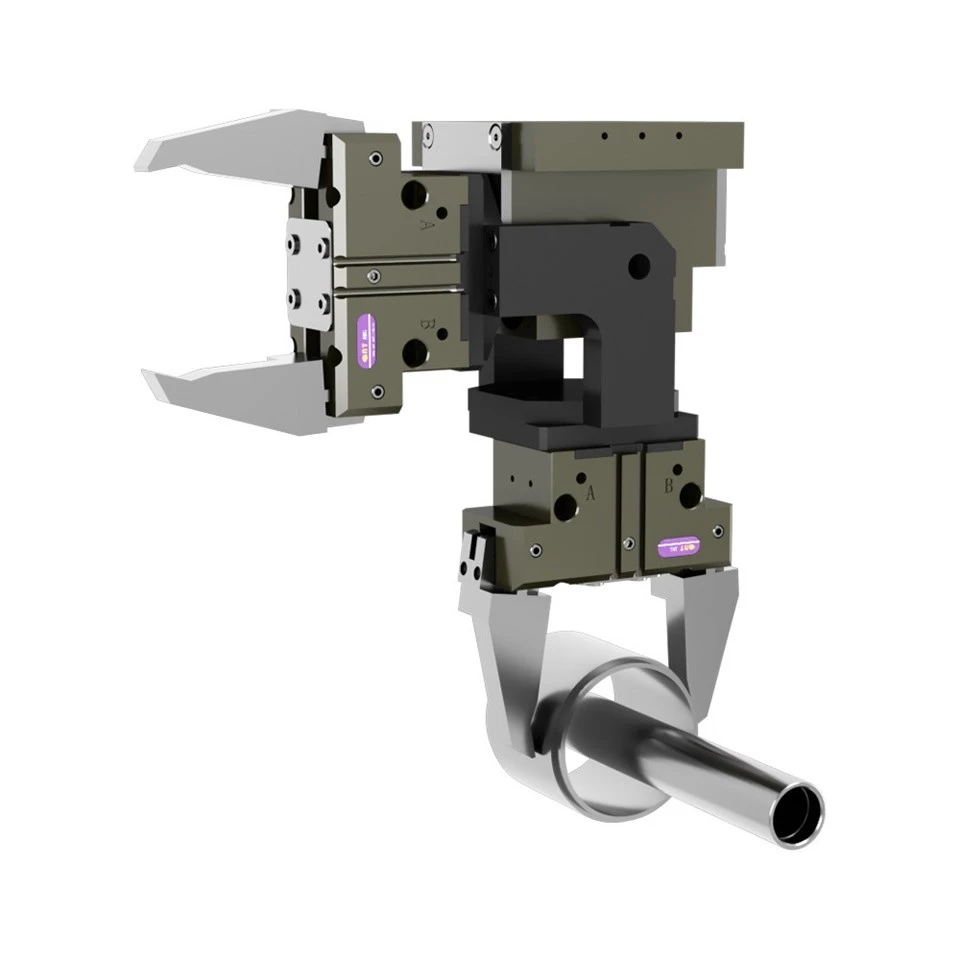
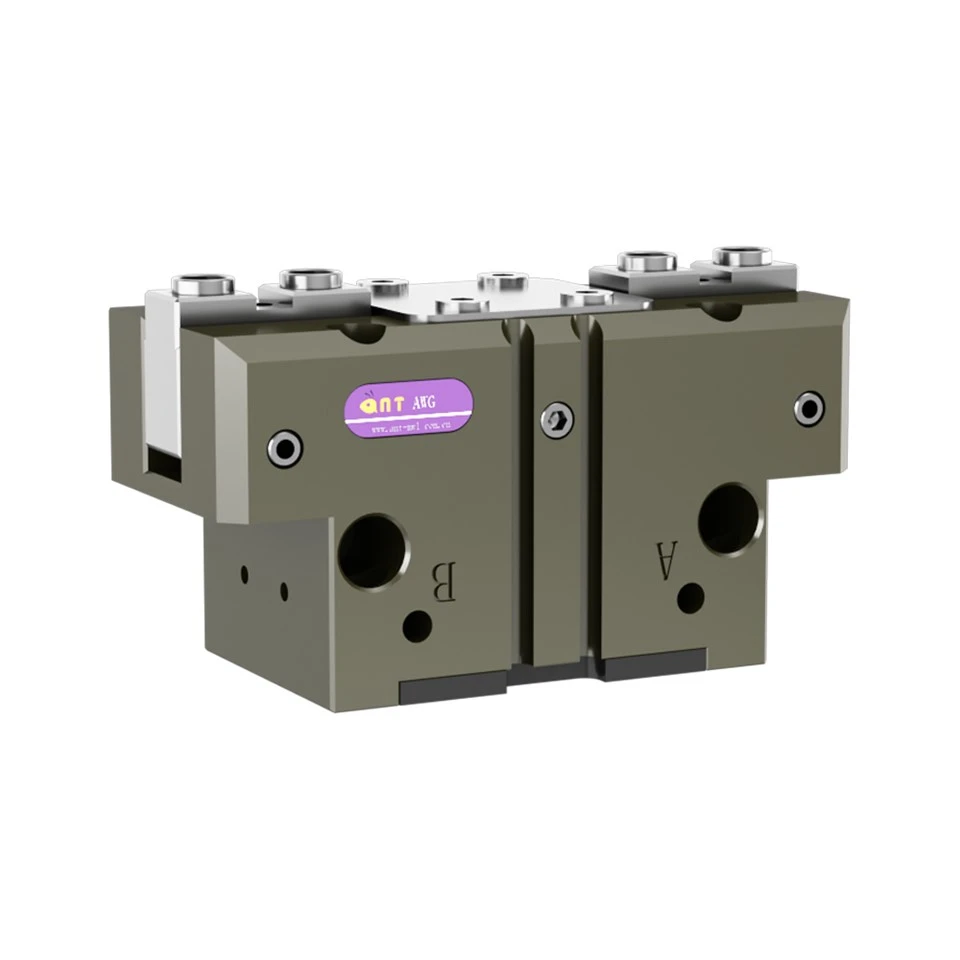
Let's talk about how tri - grippers work. Most tri - grippers are powered by either pneumatic or electric systems. Pneumatic tri - grippers use compressed air to open and close the fingers. They're known for their fast operation and high gripping force. On the other hand, electric tri - grippers are more precise and can be easily integrated with robotic systems. They offer better control over the gripping force, which is important when handling fragile objects.
In the world of robotics, tri - grippers are becoming increasingly popular. Robots equipped with tri - grippers can perform complex tasks with ease. They can be programmed to pick up, move, and place objects in a specific sequence, making them an essential part of automated production lines. For instance, in a warehouse, a robotic arm with a tri - gripper can sort and stack boxes of different sizes and shapes, improving efficiency and reducing the need for manual labor.
Now, let's compare tri - grippers with 2-finger Heavy - load Gripper. While 2 - finger heavy - load grippers are designed to handle large and heavy objects, tri - grippers focus more on precision and versatility. If you need to lift a massive steel beam, a 2 - finger heavy - load gripper is the way to go. But if you're dealing with smaller, more intricate parts, a tri - gripper will be your best bet.
When it comes to choosing the right tri - gripper for your needs, there are a few factors to consider. First, think about the size and weight of the objects you'll be handling. You'll need a gripper with enough gripping force to hold the objects securely. Second, consider the operating environment. If it's a dirty or dusty area, you might want a gripper that's resistant to contaminants. Third, think about the integration with your existing systems. Make sure the tri - gripper can be easily connected to your robots or machinery.
As a tri - gripper supplier, I've seen firsthand the impact these devices can have on businesses. They can improve productivity, reduce costs, and enhance the quality of products. Whether you're in the automotive industry, electronics manufacturing, or any other field that requires precise object handling, a tri - gripper can make a big difference.
If you're interested in learning more about tri - grippers or are thinking about purchasing one, I'd love to have a chat with you. We can discuss your specific requirements and find the perfect tri - gripper for your application. Don't hesitate to reach out and start a conversation about how we can work together to take your operations to the next level.
References
- Robotics and Automation Handbook
- Industrial Gripper Technology Journal


