


When it comes to precision motion control and linear positioning systems, ball screw linear clamps play a crucial role. As a leading supplier of Ball Screw Linear Clamp, I understand the importance of proper installation and the space requirements associated with these essential components. In this blog post, I'll dive deep into the installation space requirements for ball screw linear clamps, providing you with valuable insights to ensure a successful installation.
Understanding Ball Screw Linear Clamps
Before we discuss the installation space requirements, let's briefly understand what ball screw linear clamps are and how they function. A ball screw linear clamp is a device used to hold a ball screw in a fixed position, preventing it from rotating or moving axially. This is particularly important in applications where precise positioning and stability are required, such as in CNC machines, robotics, and automation systems.

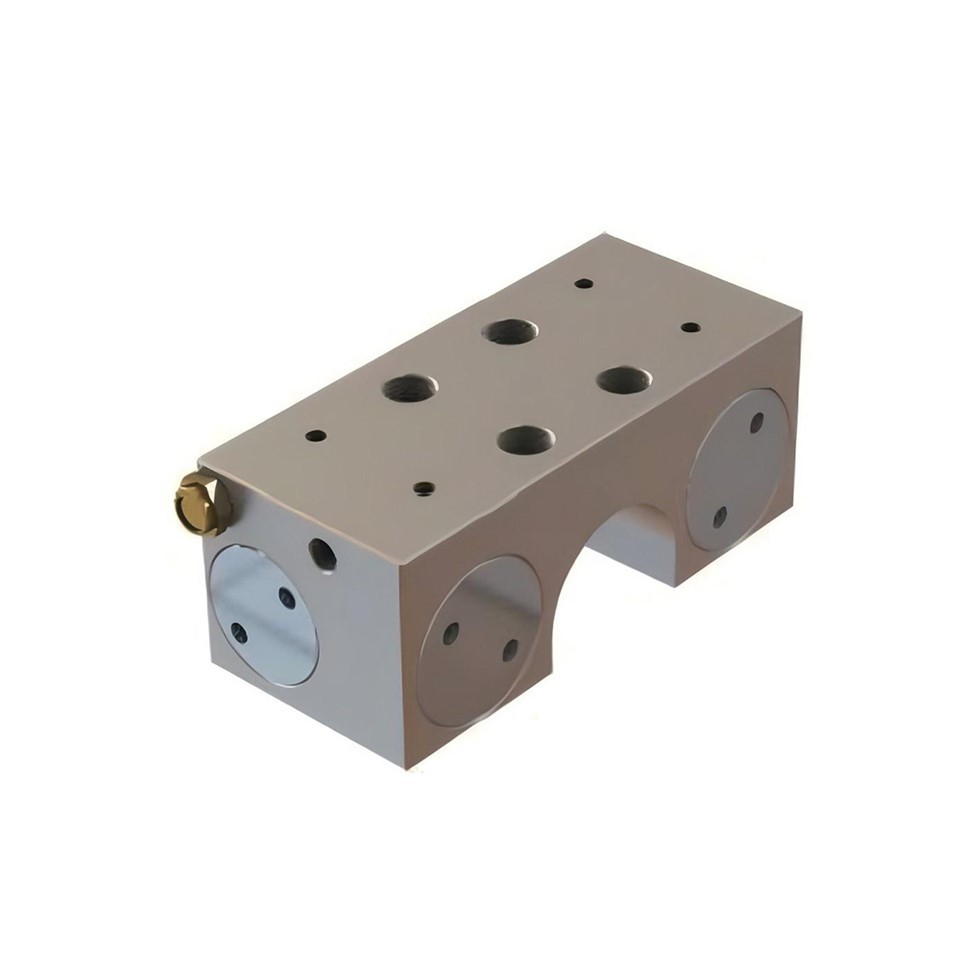
The ball screw linear clamp typically consists of a clamping mechanism, a housing, and a mounting interface. The clamping mechanism uses a set of jaws or a collet to grip the ball screw tightly, while the housing provides protection and support. The mounting interface allows the clamp to be securely attached to the machine frame or other components.
Factors Affecting Installation Space Requirements
Several factors influence the installation space requirements for ball screw linear clamps. Understanding these factors is essential for proper planning and installation. Here are some of the key factors to consider:
1. Clamp Size and Dimensions
The physical size and dimensions of the ball screw linear clamp are the most obvious factors affecting the installation space. Different clamps come in various sizes, depending on the diameter and length of the ball screw they are designed to hold. Larger clamps will naturally require more space for installation.
When selecting a clamp, it's important to choose one that is compatible with the ball screw size and the overall design of your system. Refer to the manufacturer's specifications to determine the exact dimensions of the clamp and ensure that you have enough space available for installation.
2. Mounting Method
The mounting method used for the ball screw linear clamp can also impact the installation space requirements. There are several common mounting methods, including flange mounting, through-hole mounting, and dovetail mounting.
Flange mounting is the most common method, where the clamp is attached to a flat surface using bolts or screws. This method requires a relatively large amount of space around the clamp to accommodate the mounting holes and the bolts.
Through-hole mounting involves passing bolts or screws through holes in the clamp and the machine frame. This method can save space compared to flange mounting, but it may require more precise alignment.
Dovetail mounting is a specialized method used in some applications, where the clamp is inserted into a dovetail groove in the machine frame. This method provides a secure and stable mounting, but it requires a specific dovetail groove to be machined into the frame, which can add to the complexity and cost of the installation.
3. Clearance for Operation
In addition to the space required for mounting the clamp, you also need to consider the clearance needed for the clamp to operate properly. The clamping mechanism of the ball screw linear clamp typically requires some space to move and engage with the ball screw.
Make sure to leave enough clearance around the clamp to allow for the movement of the clamping jaws or collet. This will prevent any interference or binding during operation and ensure that the clamp can function effectively.
4. Accessibility for Maintenance
Another important factor to consider is the accessibility for maintenance. Ball screw linear clamps may require periodic inspection, lubrication, and adjustment to ensure optimal performance. Therefore, it's important to leave enough space around the clamp to allow for easy access for maintenance tasks.
Make sure that there is enough clearance to reach the clamp with tools and that you can easily remove and reinstall the clamp if necessary. This will save time and effort during maintenance and reduce the downtime of your system.
Calculating the Installation Space Requirements
To calculate the installation space requirements for a ball screw linear clamp, you need to consider all of the factors mentioned above. Here is a step-by-step guide to help you calculate the required space:
Step 1: Determine the Clamp Size
Refer to the manufacturer's specifications to determine the exact dimensions of the ball screw linear clamp you have selected. Note down the length, width, and height of the clamp, as well as the location and size of the mounting holes.
Step 2: Choose the Mounting Method
Decide on the mounting method you will use for the clamp. Consider the available space, the type of machine frame, and the requirements of your application. Refer to the manufacturer's instructions for the specific mounting method you have chosen.
Step 3: Calculate the Mounting Space
Based on the mounting method you have chosen, calculate the space required for mounting the clamp. This may include the space for the mounting holes, the bolts or screws, and any additional hardware.
For example, if you are using flange mounting, you need to add the diameter of the bolts or screws and the clearance around the mounting holes to the dimensions of the clamp. If you are using through-hole mounting, you need to consider the length of the bolts or screws and the space required for tightening them.
Step 4: Consider the Clearance for Operation
Determine the clearance needed for the clamping mechanism to operate properly. This may include the space required for the movement of the clamping jaws or collet, as well as any additional clearance for lubrication or adjustment.
Add this clearance to the dimensions of the clamp and the mounting space to get the total space required for the clamp to operate.
Step 5: Account for Accessibility for Maintenance
Finally, consider the accessibility for maintenance. Leave enough space around the clamp to allow for easy access with tools and to remove and reinstall the clamp if necessary.
Add this additional space to the total space calculated in the previous steps to get the final installation space requirements.
Example Calculation
Let's take a look at an example to illustrate how to calculate the installation space requirements for a ball screw linear clamp. Suppose you have selected a ball screw linear clamp with the following dimensions:
- Length: 100 mm
- Width: 50 mm
- Height: 30 mm
- Mounting holes: 4 holes with a diameter of 6 mm, spaced 80 mm apart
You have decided to use flange mounting, and the bolts you will use have a diameter of 8 mm. The clearance around the mounting holes is 5 mm.
The space required for mounting the clamp can be calculated as follows:
- Length: 100 mm + (2 x 5 mm) + (2 x 8 mm) = 126 mm
- Width: 50 mm + (2 x 5 mm) + (2 x 8 mm) = 76 mm
- Height: 30 mm
The clearance needed for the clamping mechanism to operate properly is 10 mm.
The total space required for the clamp to operate is:
- Length: 126 mm + 10 mm = 136 mm
- Width: 76 mm + 10 mm = 86 mm
- Height: 30 mm
Finally, you need to account for accessibility for maintenance. Let's assume you need an additional 20 mm of clearance around the clamp for easy access with tools.
The final installation space requirements are:
- Length: 136 mm + (2 x 20 mm) = 176 mm
- Width: 86 mm + (2 x 20 mm) = 126 mm
- Height: 30 mm + 20 mm = 50 mm
Importance of Proper Installation Space
Proper installation space is crucial for the performance and longevity of ball screw linear clamps. Here are some of the key reasons why:
1. Optimal Performance
When the ball screw linear clamp is installed with the correct amount of space, it can operate smoothly and efficiently. The clamping mechanism can engage with the ball screw properly, providing a secure and stable hold. This ensures accurate positioning and reduces the risk of backlash or slippage.
2. Reduced Wear and Tear
Insufficient installation space can cause the clamp to rub against other components or to be subjected to excessive stress. This can lead to premature wear and tear of the clamp and the ball screw, reducing their lifespan and increasing the maintenance costs.
3. Safety
Proper installation space also ensures the safety of the operators and the equipment. When the clamp is installed with enough clearance, there is less risk of interference or entanglement with other moving parts. This reduces the likelihood of accidents and injuries.
Conclusion
In conclusion, the installation space requirements for ball screw linear clamps are influenced by several factors, including the clamp size and dimensions, the mounting method, the clearance for operation, and the accessibility for maintenance. By carefully considering these factors and calculating the required space, you can ensure a proper installation and optimal performance of your ball screw linear clamp.
As a supplier of Ball Screw Linear Clamp, I'm committed to providing high-quality products and excellent customer service. If you have any questions or need further assistance with the installation of ball screw linear clamps, please don't hesitate to contact me. I'll be happy to help you find the right solution for your application.
If you're in the market for a ball screw linear clamp or other related products, such as Optical Scale Reader or Ball Type Linear Rail Clamp, I encourage you to reach out to me for a consultation. I can provide you with detailed information about our products, help you select the right components for your system, and assist you with the installation and maintenance.
Let's work together to ensure the success of your precision motion control and linear positioning systems. Contact me today to start the conversation!
References
- Manufacturer's specifications for ball screw linear clamps
- Industry standards and guidelines for precision motion control systems
- Technical literature on ball screw technology and linear positioning


